English
  Français
  Español
Understanding Cotton Ponte Fabric Cotton ponte fabric is a double knit fabric constructed on a circular or flatbed knitting machine using two sets of needles working in interlock formation. This construction produces a fabric that looks identical on both the face and back, givin...
VIEW MORE
T/C, CVC Fabric
About
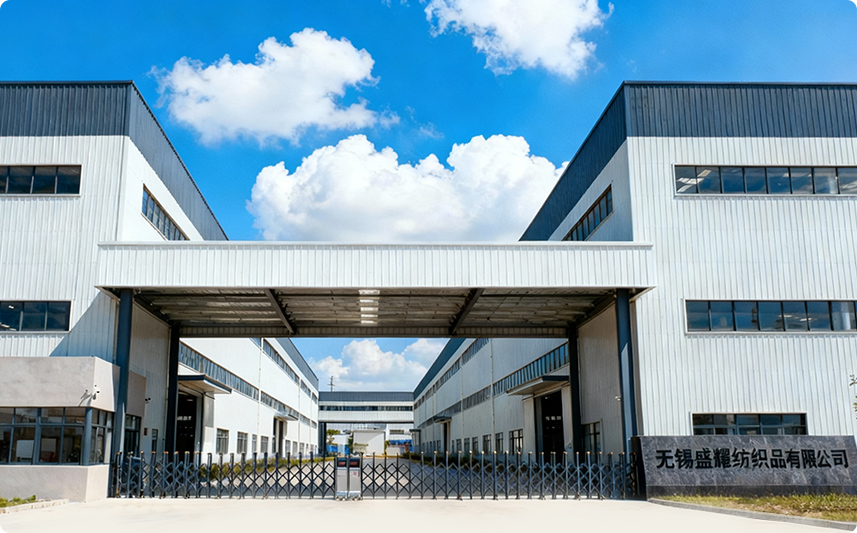
Wuxi Shengyao Textile Co., Ltd.
Wuxi Shengyao Textile Co.,Ltd.
We are dedicated to providing high-quality woven and knitted fabrics for garment and industrial textile customers worldwide. We are China CVC Shirting Fabric Suppliers and Wholesale
TC Twill Fabric Exporter, Company. Shengyao is more than a trading company; we act as a vital link between tradition and innovation, seamlessly integrating the exquisite craftsmanship of our partner factories with the diverse demands of the global market.Spanning cotton, linen and functional blended fabrics, every product in our portfolio stems from carefully selected partners, rigorous quality management and a lasting commitment to service. Every meter of our fabric embodies Shengyao’s core beliefs: stability, creativity and dedication.
News
-
-
What Is Knitted Fabric? A Direct Answer Knitted fabric is a textile structure formed by the intermeshing of yarn loops in a series of interconnected rows. Unlike woven fabrics, which are made by interlacing two sets of yarns at right angles, knitted fabrics are constructed from ...
VIEW MORE -
The Core Manufacturing Process Woven cotton fabric is manufactured by interlacing two sets of yarns at right angles — the vertical warp yarns and the horizontal weft (filling) yarns — on a loom. Before weaving, the warp yarns undergo critical preparation including warping and s...
VIEW MORE
T/C, CVC Fabric Industry knowledge
Tencel Spandex Twill Fabric & Tencel Lyocell Clothing: The Ultimate Guide for Modern Apparel Sourcing
In the evolving landscape of sustainable textiles, Tencel Lyocell Clothing has emerged as the gold standard for brands seeking both environmental integrity and premium hand-feel. At Wuxi Shengyao Textile Co., Ltd., we understand that true innovation lies at the intersection of botanic origin and mechanical performance. This is where our specialized Tencel Spandex/Twill Fabric portfolio excels. Unlike standard weaves, our twill construction combined with the elasticity of spandex offers a drape and recovery that rivals luxury synthetics while maintaining the closed-loop, eco-responsible narrative of lyocell. Whether you are developing a line of fluid trousers or structured outerwear, understanding the intrinsic properties of this fiber and weave combination is critical to your collection's success. As a vital link between advanced manufacturing and global garment trends, Shengyao ensures every meter of fabric delivers stability in supply and creativity in texture.
Understanding Tencel Lyocell: The Fiber Behind the Fabric
Before delving into the specifics of weave construction, it is essential to appreciate the raw material that defines Tencel Lyocell Clothing. Derived from sustainably sourced wood pulp—predominantly eucalyptus—Tencel Lyocell is produced via a closed-loop process that recycles water and reuses solvents at a recovery rate of more than 99%. This results in a fiber that is not only biodegradable but also boasts a unique fibril structure. These nanofibrils are hydrophilic, allowing for exceptional moisture absorption and thermal regulation. For the wearer, this translates to a garment that feels cool to the touch, manages perspiration efficiently, and inhibits the growth of odor-causing bacteria far more effectively than conventional cotton or polyester.
- Moisture Management: Lyocell absorbs 50% more moisture than cotton and releases it rapidly into the atmosphere, keeping the skin dry.
- Surface Smoothness: The fiber surface is inherently smooth, reducing friction against sensitive skin and preventing the micro-pilling associated with lower-grade cellulosics.
- Strength Profile: Unlike viscose, which loses up to 50% of its strength when wet, Lyocell retains high tenacity, ensuring garment durability through industrial laundering.
- Color Retention: The fiber's high orientation allows dyes to penetrate deeply, resulting in vibrant, fade-resistant shades that withstand repeated wash cycles.
Deep Dive: The Performance Advantage of Tencel Spandex/Twill Fabric
While the fiber provides the foundation, the construction of Tencel Spandex/Twill Fabric is what unlocks its full potential for apparel manufacturing. Twill is a fundamental textile weave characterized by a diagonal rib pattern, achieved by passing the weft thread over one or more warp threads and then under two or more. This structural nuance creates a fabric that is denser, heavier, and more durable than a plain weave of the same yarn count. When we introduce a specific percentage of spandex (elastane) into this matrix, the fabric transforms from a rigid bottom-weight into a dynamic, form-fitting material with mechanical stretch and superior recovery. At Shengyao, we meticulously calibrate this blend to ensure the spandex does not compromise the soft, dry hand-feel that Tencel Lyocell Clothing is famous for.
Why Twill Weave Matters for Lyocell
The synergy between lyocell fibers and the twill structure addresses two common challenges faced by designers: drape and abrasion resistance. Pure lyocell in a plain weave can sometimes feel too light or "papery" for structured garments. The twill weave imparts a fluid, liquid-like drape that is ideal for wide-leg pants and bias-cut skirts. Furthermore, the diagonal structure of the twill distributes tension across a greater surface area, significantly reducing the risk of seam slippage—a crucial factor when working with the slick surface of lyocell fibers.
- Enhanced Durability: The diagonal structure reduces friction points, making the fabric more resistant to snagging and tearing compared to satin weaves.
- Shape Retention: The combination of twill's stability and spandex's memory means garments resist bagging at the knees and elbows.
- Breathable Density: Despite being a tighter weave, the intrinsic breathability of lyocell ensures the fabric remains comfortable in transitional climates.
- Printing Precision: The smooth, flat surface of a fine twill provides an excellent substrate for digital printing, allowing for sharp, high-definition graphic designs.
Comparative Analysis: Weave Structures and Blend Ratios
The performance of Tencel Spandex/Twill Fabric is not monolithic; it varies significantly based on the specific blend ratio and finishing techniques. A 3/1 twill with 3% spandex will behave very differently from a 2/1 twill with 5% spandex. The former offers a stiffer drape suitable for jackets and workwear-inspired fashion, while the latter provides the high-stretch recovery demanded by activewear and form-fitting dresses. The table below provides a technical comparison of typical configurations available through Shengyao's supply chain, illustrating how subtle changes in composition impact the final garment's suitability.
| Specification | Tencel Lyocell (100%) Plain Weave | Tencel/Spandex (97/3) 3/1 Twill | Tencel/Spandex (95/5) 2/1 Twill |
| Weight (GSM) | 130 - 160 GSM | 200 - 240 GSM | 180 - 220 GSM |
| Stretch & Recovery | None (Mechanical Give Only) | Comfort Stretch (Approx. 15-20%) | High Stretch (Approx. 30-40%) |
| Drape Characteristics | Light, Airy, Slight Crispness | Fluid, Heavy Drape, Structured | Body-Hugging, Soft, Excellent Recovery |
| Recommended Application | Blouses, Lining, Summer Dresses | Pants, Jumpsuits, Light Jackets | Leggings, Fitted Dresses, Athleisure |
| Sewing Difficulty | High (Slippage Risk) | Medium (Stable Feed) | Medium-High (Requires Stretch Stitch) |
Sourcing Excellence: Why Tencel Lyocell Clothing Starts with Quality Fabric
For garment manufacturers and brand developers, the journey to creating exceptional Tencel Lyocell Clothing begins long before the cutting table. It begins with the integrity of the greige fabric. The global textile market is saturated with generic "lyocell" offerings that lack the certification or the precise finishing required to bring out the fiber's best qualities. At Wuxi Shengyao Textile, our approach is one of meticulous oversight. We act not merely as a supplier but as a quality curator, integrating the craftsmanship of specialized mills with rigorous testing protocols. This ensures that the Tencel Spandex/Twill Fabric you receive is free from common defects such as center creasing, shade variation across lots, and uneven spandex tension—issues that can cripple a production line and lead to costly waste. Our commitment is to provide a stable, repeatable fabric quality that allows you to scale production with confidence.
- Pre-Production Shade Blanket Approval: Ensuring continuity of color between lab dips and bulk production runs.
- Standardized Shrinkage Control: All twill fabrics are finished with mechanical or bio-polishing treatments to minimize residual shrinkage to below 3%.
- Batch-to-Batch Consistency: Utilizing advanced spectrophotometers to verify that the hand-feel and weight of the twill remain unchanged across multiple container loads.
- Fibrillation Management: Applying enzyme washes to control the unique "peach skin" effect of lyocell, preventing unattractive "frosting" or pilling in high-abrasion areas.
Designing and Cutting Tencel Spandex/Twill Fabric for Longevity
Understanding how to handle Tencel Spandex/Twill Fabric during the garment construction phase is paramount to delivering a product that reflects the premium nature of the material. While lyocell is strong, its smooth surface and the inherent stretch from spandex require specific adjustments to standard sewing room practices. For instance, the twill weave's directional nature (the "wale") must be carefully considered during the cutting layout. Cutting all pieces in the same direction of the twill line ensures that light reflects uniformly off the finished garment, preventing the appearance of mismatched panels—a subtle detail that separates luxury goods from fast fashion. Additionally, because spandex is sensitive to heat, pressing temperatures and dwell times must be moderated to prevent the elastic from degrading and losing its snap.
- Needle Selection: Always use sharp, fine ballpoint needles (Size 70/10 or 80/12) to avoid cutting the lyocell fibers and creating visible needle holes.
- Seam Construction: Due to the twill weave's diagonal structure, using a 1.0cm to 1.2cm seam allowance with a tight lockstitch (SPI 12-14) is recommended to prevent seam grinning.
- Lay Planning: Allow fabric to relax for 24 hours in a tension-free state after unrolling before cutting to account for any spandex memory.
- Interfacing Selection: Use lightweight, tricot knit fusible interfacing that moves with the stretch of the shell fabric rather than rigid woven interfacing which will cause buckling.
Sustainability and the Lifecycle of Tencel Lyocell Clothing
The conversation around Tencel Lyocell Clothing is inextricably linked to the broader movement toward circular fashion. As a vital link between tradition and innovation, Shengyao recognizes that the fabrics we provide must contribute positively to the environmental footprint of the apparel industry. Tencel Spandex/Twill Fabric presents a unique advantage in this arena. While pure lyocell is fully compostable and marine biodegradable, the inclusion of spandex complicates the end-of-life scenario. Therefore, our focus is on durability—creating fabrics that last significantly longer in the consumer's wardrobe, thereby offsetting the need for frequent replacement. By engineering a twill fabric with high abrasion resistance and color fastness, we help brands create pieces that are intended for long-term use, not seasonal disposal. Furthermore, the water and energy savings inherent in lyocell production (compared to conventional cotton irrigation) are passed through the supply chain, offering a tangible reduction in the water footprint of every garment produced from our textiles.
FAQ
What are the specific care instructions for Tencel Spandex/Twill Fabric garments to prevent shrinkage?
Proper care is essential to preserve the unique hand-feel and dimensional stability of Tencel Spandex/Twill Fabric. While Tencel Lyocell is generally low-maintenance, the addition of spandex requires a gentle approach. Lyocell fibers swell slightly when wet, which can cause temporary shrinkage, but they typically return to shape. However, the high heat of a tumble dryer is the primary enemy of spandex longevity and can permanently set creases in the twill weave. To maximize garment life, we recommend machine washing in cold water on a gentle cycle using a mild, eco-friendly detergent. Avoid bleach and fabric softeners, as softeners coat the fibrils and reduce the fiber's natural moisture-wicking capabilities. For best results, remove the garment promptly from the washer, gently reshape it to smooth out the twill lines, and lay it flat or hang it to air dry away from direct sunlight. If ironing is necessary, use a low to medium heat setting (synthetic setting) and iron on the reverse side of the fabric to prevent the diagonal twill lines from becoming shiny.
Is Tencel Lyocell Clothing suitable for hot and humid climates compared to linen or cotton?
Absolutely. In fact, Tencel Lyocell Clothing often outperforms cotton and even rivals linen in high-humidity conditions due to its superior moisture vapor uptake. The scientific reason lies in the fiber's amorphous and crystalline regions. Lyocell can absorb excess moisture from the skin (sweat) and transport it into the fiber structure and then out to the atmosphere. This is a more active cooling mechanism than cotton, which tends to hold onto moisture and feel heavy and damp. Unlike linen, which dries very quickly but can feel rough and scratchy when damp, Tencel Spandex/Twill Fabric maintains a smooth, cool surface against the skin. The inclusion of spandex in the twill weave ensures the garment doesn't lose its shape when exposed to humidity, a common issue with 100% linen garments. This makes Tencel Lyocell twill an excellent choice for travel wardrobes, summer suiting, and resort wear where comfort and wrinkle resistance are paramount.
How does the twill weave enhance the durability of Tencel Lyocell for pants and jackets?
The twill weave is a structural game-changer for Tencel Lyocell Clothing intended for bottoms and outerwear. In a plain weave, each yarn interlaces over and under every single perpendicular yarn, creating a tight grid that, while stable, is prone to tearing along a straight line if punctured. Twill weave, characterized by its diagonal floats, allows the yarns to "slip" or shift slightly under stress before breaking. This gives the fabric a higher tear strength and tensile strength. Furthermore, the density of the twill construction—measured in picks per inch—creates a more robust surface that resists the abrasive friction caused by sitting on chairs (seat area) or carrying bags across the shoulder. When Tencel Spandex/Twill Fabric is used for pants, the diagonal ribs help hide minor dirt and lint accumulation between washes, keeping the garment looking fresh longer. This combination of structural integrity and aesthetic camouflage makes it a superior choice for long-lasting, high-wear wardrobe staples.
What is the difference between Generic Lyocell and Tencel branded Lyocell in fabrics?
While chemically identical (both are cellulose II fibers), the difference between generic lyocell and Tencel branded lyocell is significant, particularly for manufacturers of Tencel Lyocell Clothing. Tencel is a brand name owned by Lenzing AG, and it comes with a guarantee of sustainable sourcing and closed-loop production standards that generic lyocell cannot always verify. More critically for fabric performance, Tencel branded fibers undergo proprietary fiber identification technology and rigorous quality control regarding fiber length and uniformity. This translates directly to the spinning and weaving process. Fabrics made with Tencel Lyocell produce a cleaner yarn with fewer neps (small fiber tangles) and more consistent dye uptake. In a Tencel Spandex/Twill Fabric, using the branded fiber minimizes the risk of white specks appearing on the dyed surface (a common issue with lower-grade wood pulp processing). For brands, using Tencel Lyocell allows access to official hang tags and co-branding opportunities that communicate the garment's eco-credentials transparently to the end consumer, adding tangible value to the final product.
Can Tencel Spandex/Twill Fabric be used for activewear or only casual clothing?
Yes, Tencel Spandex/Twill Fabric is increasingly finding a home in the "athleisure" and low-impact activewear categories, and its application extends far beyond traditional casual clothing. While a heavy twill might be too dense for high-cardio running, a lighter weight Tencel Spandex/Twill Fabric (around 180 GSM with 5% spandex) is exceptional for yoga, Pilates, and barre classes. The reason lies in lyocell's ability to remain odor-neutral. Studies have shown that Tencel Lyocell exhibits lower bacterial growth compared to synthetic fibers like polyester after exercise. For activities where you want to move from the studio to the street without an immediate need to change, the smooth, cool surface of the twill offers a refined look that performance synthetics lack. Additionally, because lyocell is breathable and smooth, it is an ideal fabric for athletes with sensitive skin or conditions like eczema, where synthetic wicking finishes can cause irritation.
- Product Categories
- Woven Fabric
- Knitted Fabric
- Contact
-
-
Catherine(Sales Executive International Dep)

WhatsApp / Mobile : +86-13093095092
E-mail : [email protected] -
No. 98 Dongsheng Road, Dongsheng Village, Donggang Town, Xishan District, Wuxi City, Jiangsu Province, China

-
Let's Work Together
From cotton and linen to functional blended fabrics, every meter of fabric carries Shengyao's beliefs: stability, creativity, and dedication.