English
  Français
  Español
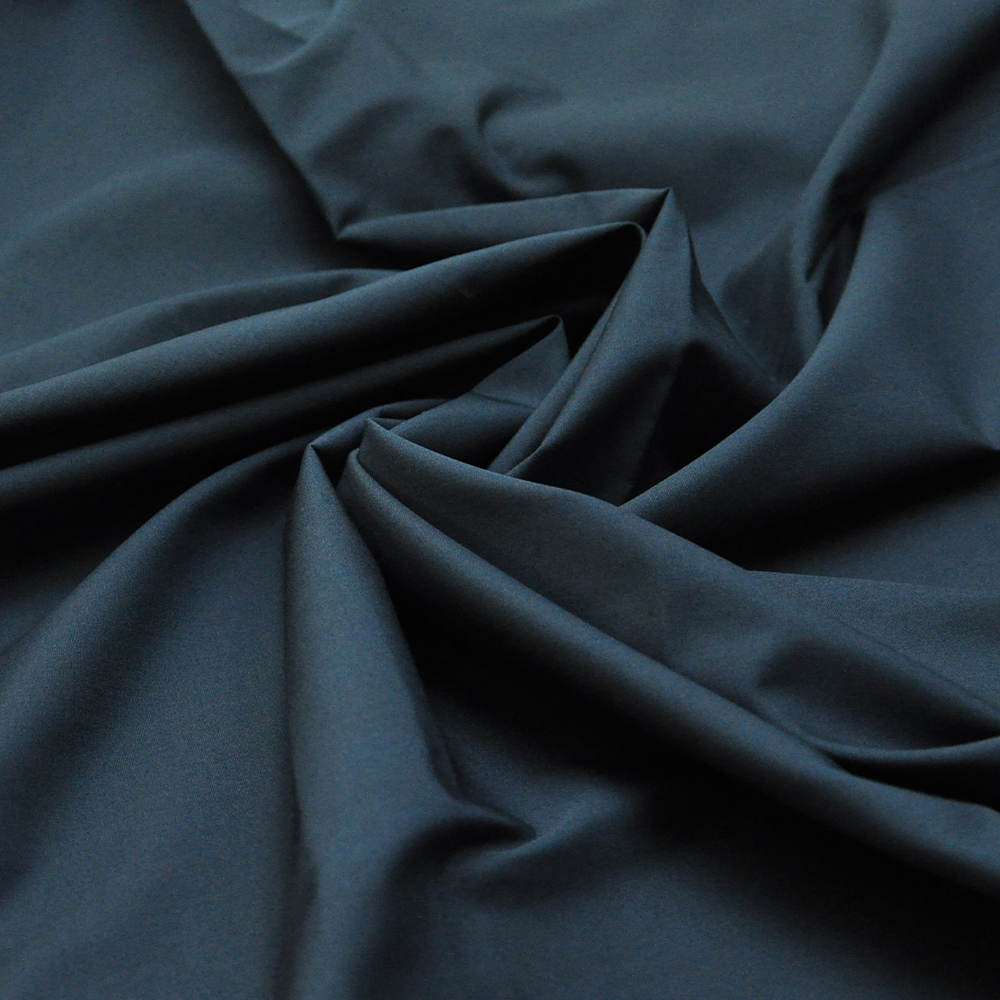
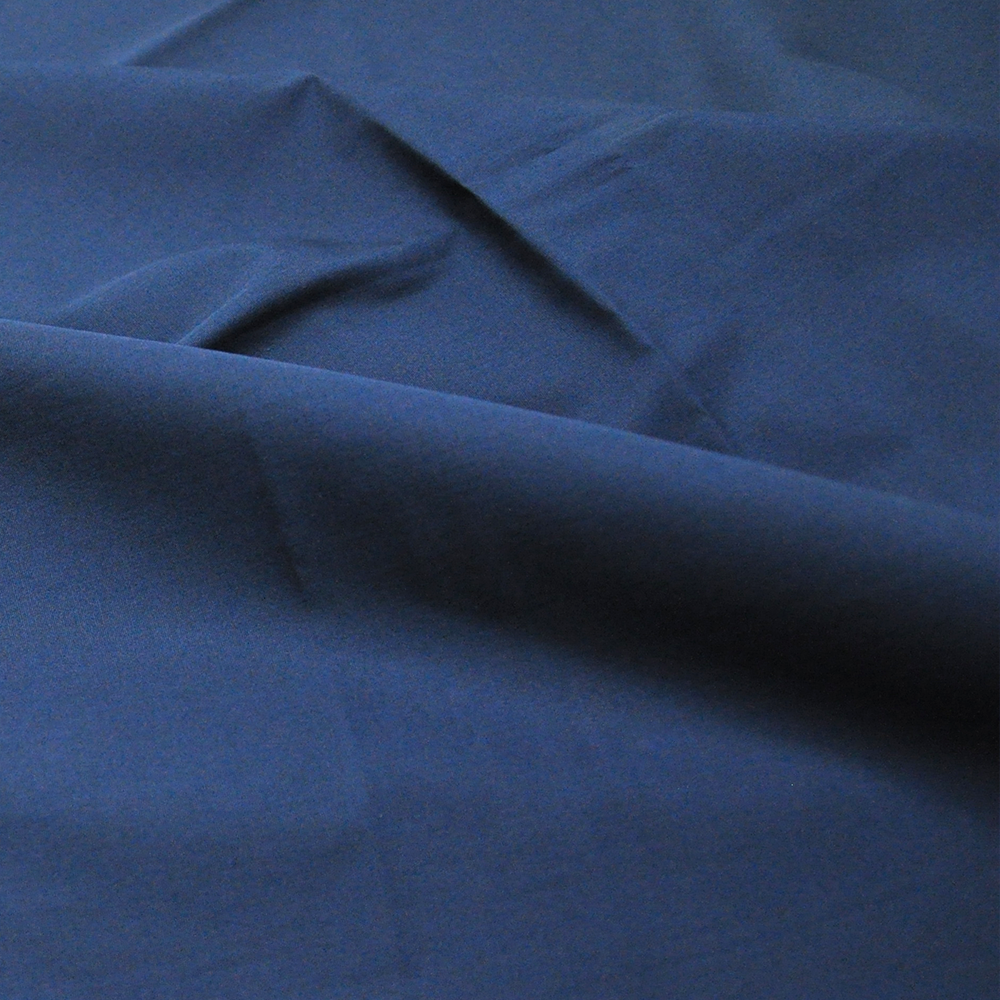
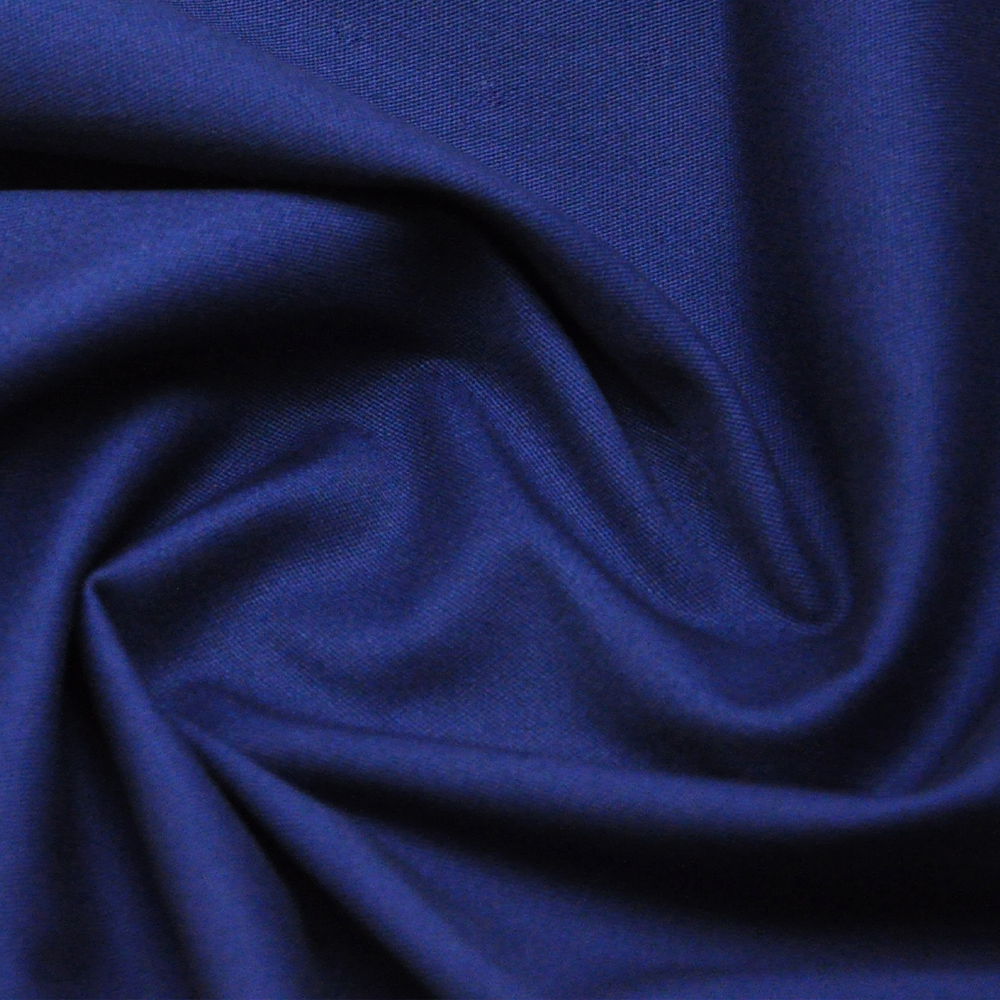
Understanding Cotton Ponte Fabric Cotton ponte fabric is a double knit fabric constructed on a circular or flatbed knitting machine using two sets of needles working in interlock formation. This construction produces a fabric that looks identical on both the face and back, givin...
VIEW MORE
Nylon/Cotton Fabric
About
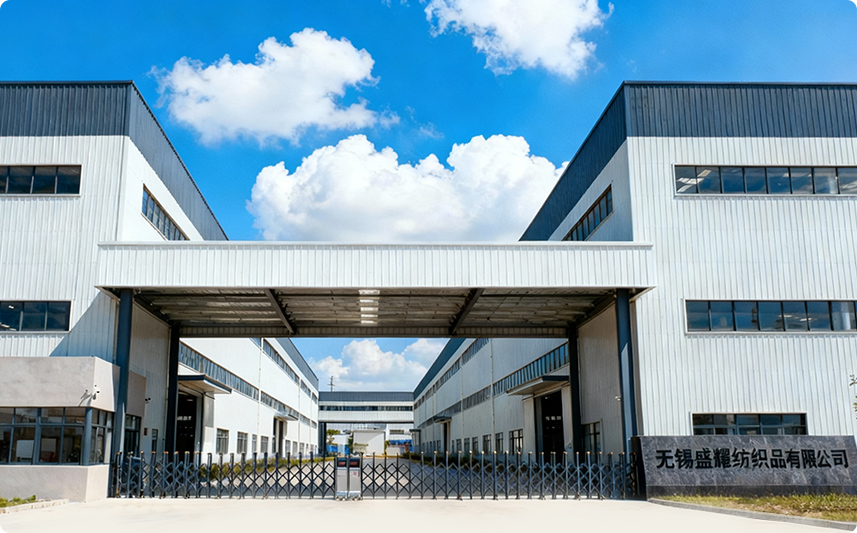
Wuxi Shengyao Textile Co., Ltd.
Wuxi Shengyao Textile Co.,Ltd.
We are dedicated to providing high-quality woven and knitted fabrics for garment and industrial textile customers worldwide. We are China Cotton Nylon Spandex Blend Fabric Suppliers and Wholesale
Cotton Nylon Spandex Blend Fabric Exporter, Company. Shengyao is more than a trading company; we act as a vital link between tradition and innovation, seamlessly integrating the exquisite craftsmanship of our partner factories with the diverse demands of the global market.Spanning cotton, linen and functional blended fabrics, every product in our portfolio stems from carefully selected partners, rigorous quality management and a lasting commitment to service. Every meter of our fabric embodies Shengyao’s core beliefs: stability, creativity and dedication.
News
-
-
What Is Knitted Fabric? A Direct Answer Knitted fabric is a textile structure formed by the intermeshing of yarn loops in a series of interconnected rows. Unlike woven fabrics, which are made by interlacing two sets of yarns at right angles, knitted fabrics are constructed from ...
VIEW MORE -
The Core Manufacturing Process Woven cotton fabric is manufactured by interlacing two sets of yarns at right angles — the vertical warp yarns and the horizontal weft (filling) yarns — on a loom. Before weaving, the warp yarns undergo critical preparation including warping and s...
VIEW MORE
Nylon/Cotton Fabric Industry knowledge
How the Three-Fiber Ratio Shapes Fabric Performance
In a cotton nylon spandex blend, each fiber contributes a distinct mechanical role — and the ratio between them is where performance engineering actually happens. Cotton typically forms the largest share, commonly 50–70%, establishing the hand feel, breathability, and moisture absorption baseline. Nylon is added in smaller proportions, usually 20–40%, to improve abrasion resistance and tensile strength without significantly adding weight. Spandex, often present at just 2–8%, provides the elastic recovery that allows the fabric to return to its original dimensions after stretching.
Shifting these ratios produces measurably different outcomes. Raising nylon content from 20% to 35% can increase tear strength by 30–50%, making the resulting fabric far better suited to outerwear, workwear, or high-movement activewear. Increasing spandex beyond 8%, on the other hand, tends to reduce the fabric's ability to hold dye evenly, since spandex and cotton accept colorants through different chemical mechanisms. A blended fabric's final application should always drive ratio decisions, not cost optimization alone.
At Shengyao, understanding these interactions at the fiber level is part of how we help customers select the right blend for their end product — rather than defaulting to industry-standard ratios that may not match their actual performance requirements.
Dyeing and Finishing Challenges Specific to Three-Component Blends
Processing a cotton nylon spandex blend fabric through dyeing and finishing is considerably more complex than handling a single-fiber textile. Cotton requires reactive or vat dyes applied in an alkaline environment; nylon accepts acid dyes or disperse dyes under acidic conditions; spandex is sensitive to high temperatures and prolonged exposure to chlorine-based bleaches. Running all three through a unified dye bath without color inconsistency or fiber degradation demands precise sequencing and chemical management.
Two-bath dyeing — processing cotton and nylon in separate stages — is the standard approach in facilities with stringent color matching requirements. Single-bath processes exist and reduce water and energy consumption by 20–30%, but they require tighter pH control and dye selection. In either case, spandex degradation during heat-setting is a persistent risk: temperatures above 190°C can reduce spandex elongation recovery by 15% or more, which directly affects the finished garment's fit retention after repeated washing.
Finishing treatments applied after dyeing — such as moisture-wicking coatings, anti-pilling agents, or softeners — must also be evaluated for compatibility with all three fibers. A softener optimized for cotton may reduce nylon's surface friction properties, which in active or performance applications is counterproductive.
Structural Differences: Woven vs. Knitted Constructions in This Blend
The same cotton nylon spandex fiber blend behaves quite differently depending on whether it is constructed as a woven or knitted fabric. In woven constructions — plain, twill, or satin weaves — the interlocked warp and weft structure limits cross-grain stretch even when spandex is present. Stretch in woven blends is typically directional and controlled, making these fabrics well suited to structured garments like pants, skirts, and tailored jackets where dimensional stability matters.
Knitted constructions, by contrast, allow the spandex component to express its elasticity more fully in multiple directions. A jersey or interlock knit using the same fiber blend will exhibit significantly higher four-way stretch than its woven counterpart, which is why blended knits dominate activewear and swimwear applications while woven versions are more common in bottoms and outerwear.
For buyers sourcing woven cotton nylon spandex fabrics specifically, weave density — measured in threads per inch — is a critical spec. Higher thread counts increase opacity and surface smoothness but reduce air permeability. Shengyao's woven nylon-cotton offerings are produced through partner factories with multi-point quality inspection across weave density, weight per square meter, and stretch recovery consistency, ensuring each roll meets the documented standard before shipment.
End-Use Applications and Fabric Selection Criteria
Cotton nylon spandex blend fabrics occupy a broad application range precisely because the three-fiber combination addresses limitations that any single fiber would leave unresolved. The following categories represent the most established end uses:
- Stretch pants and trousers — Woven twill or sateen constructions with 2–5% spandex provide the recovery needed for all-day comfort without sacrificing the crisp drape associated with woven bottoms.
- Outdoor and performance apparel — Higher nylon ratios (30–40%) improve resistance to abrasion from pack straps, seam stress, and repeated contact with rough surfaces, while cotton retains breathability during aerobic activity.
- Workwear and uniforms — The blend's dimensional stability after industrial laundering — where temperatures and mechanical agitation exceed domestic cycles — makes it a practical alternative to pure cotton uniforms that lose shape after repeated washing.
- Fashion casualwear — Mid-weight blends in 150–220 gsm range offer designers a soft, adaptable canvas that holds prints well and resists the pilling common in lower-grade cotton knits.
Selecting the right variant within this blend family requires evaluating at minimum: weight per square meter, stretch percentage and recovery rate, colorfastness to washing (ISO 105-C06 or equivalent), and pilling resistance (Martindale or ICI pilling test). Requesting mill test reports on these parameters before bulk ordering is standard practice and reflects the kind of rigorous quality management that defines Shengyao's sourcing process.
- Product Categories
- Woven Fabric
- Knitted Fabric
- Contact
-
-
Catherine(Sales Executive International Dep)

WhatsApp / Mobile : +86-13093095092
E-mail : [email protected] -
No. 98 Dongsheng Road, Dongsheng Village, Donggang Town, Xishan District, Wuxi City, Jiangsu Province, China

-
Let's Work Together
From cotton and linen to functional blended fabrics, every meter of fabric carries Shengyao's beliefs: stability, creativity, and dedication.