English
  Français
  Español

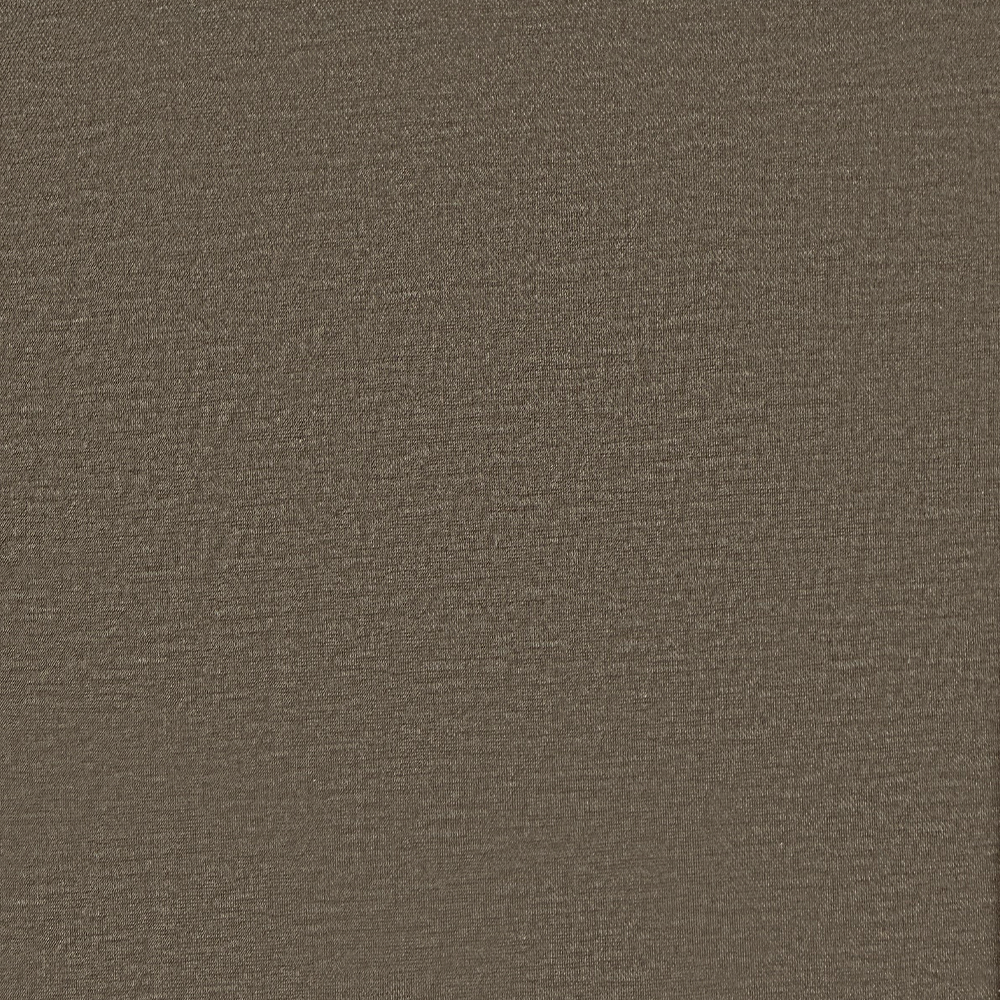
Understanding Cotton Ponte Fabric Cotton ponte fabric is a double knit fabric constructed on a circular or flatbed knitting machine using two sets of needles working in interlock formation. This construction produces a fabric that looks identical on both the face and back, givin...
VIEW MORE
Interlock Fabric
Cotton Interlock Knit Fabric Suppliers
About
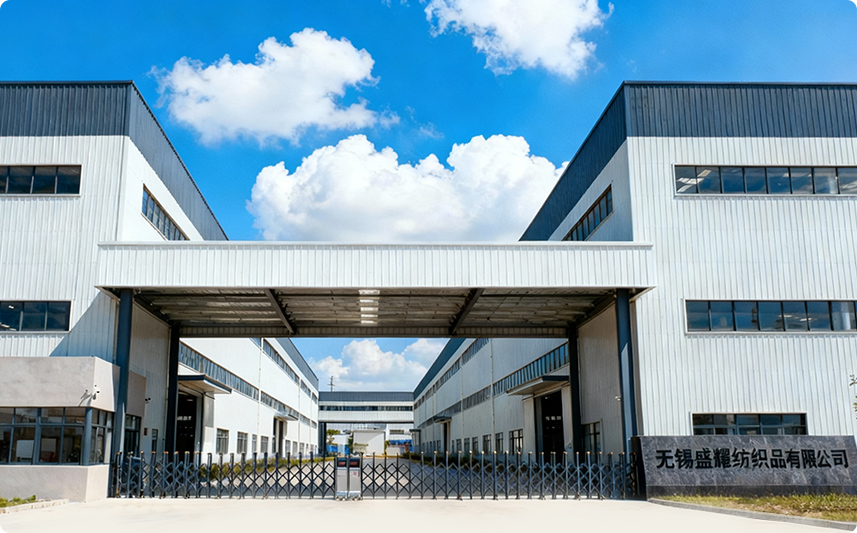
Wuxi Shengyao Textile Co., Ltd.
Wuxi Shengyao Textile Co.,Ltd.
We are dedicated to providing high-quality woven and knitted fabrics for garment and industrial textile customers worldwide. We are China Interlock Fabric Suppliers and Wholesale
Cotton Interlock Knit Fabric Exporter, Company. Shengyao is more than a trading company; we act as a vital link between tradition and innovation, seamlessly integrating the exquisite craftsmanship of our partner factories with the diverse demands of the global market.Spanning cotton, linen and functional blended fabrics, every product in our portfolio stems from carefully selected partners, rigorous quality management and a lasting commitment to service. Every meter of our fabric embodies Shengyao’s core beliefs: stability, creativity and dedication.
News
-
-
What Is Knitted Fabric? A Direct Answer Knitted fabric is a textile structure formed by the intermeshing of yarn loops in a series of interconnected rows. Unlike woven fabrics, which are made by interlacing two sets of yarns at right angles, knitted fabrics are constructed from ...
VIEW MORE -
The Core Manufacturing Process Woven cotton fabric is manufactured by interlacing two sets of yarns at right angles — the vertical warp yarns and the horizontal weft (filling) yarns — on a loom. Before weaving, the warp yarns undergo critical preparation including warping and s...
VIEW MORE
Interlock Fabric Industry knowledge
How Do Different Types of Interlock Fabric Impact the Quality of Clothing?
Interlock fabrics are a versatile and popular choice in the garment industry, especially when seeking comfort, durability, and flexibility in clothing design. As the market demands more sustainable and high-performance fabrics, it becomes crucial to understand how different types of interlock fabric impact the quality of clothing.
Introduction: Why Does Fabric Type Matter in Clothing?
When choosing fabrics for clothing, designers and manufacturers often prioritize factors such as comfort, durability, and appearance. Interlock fabric, known for its soft texture and excellent stretchability, plays a vital role in achieving these qualities. Understanding the different variations of interlock fabric, such as cotton interlock knit fabric, blended interlock fabrics, and functional interlock fabrics, can help manufacturers produce clothing that meets customer expectations and stands out in the competitive apparel market.
Types of Interlock Fabric
Interlock fabrics come in various forms, each with distinct characteristics that influence the overall quality of clothing. Below are the main types of interlock fabrics and their features:
Cotton Interlock Knit Fabric
Cotton interlock knit fabric is one of the most commonly used types in clothing production, particularly for casual wear and activewear. It offers several advantages:
- Softness and Comfort: Cotton fibers are naturally soft, making this fabric ideal for comfortable clothing, especially for garments worn directly on the skin.
- Breathability: Cotton interlock is highly breathable, making it a popular choice for warm-weather clothing.
- Durability: The fabric is durable and resistant to wear and tear, making it suitable for everyday use.
Applications: Cotton interlock knit fabric is often used in t-shirts, dresses, and baby clothing due to its gentle touch and versatility.
Blended Interlock Fabrics
Blended interlock fabrics are a combination of natural and synthetic fibers, offering a balance of the benefits of both materials. For example, cotton-polyester blends are commonly used in interlock fabric production.
- Enhanced Durability: The addition of synthetic fibers like polyester increases the fabric's strength and longevity.
- Moisture-Wicking: Blended fabrics are often engineered to enhance moisture-wicking properties, which is ideal for activewear and performance clothing.
- Cost-Effective: Blended interlock fabrics are generally more affordable than pure cotton, making them a cost-effective choice for manufacturers.
Applications: These fabrics are used for a wide range of garments, including sportswear, loungewear, and uniforms.
Functional Interlock Fabrics
Functional interlock fabrics are engineered to meet specific performance requirements. These fabrics often incorporate advanced fibers such as spandex or nylon to provide extra stretch and flexibility.
- Shape Retention: Functional interlock fabrics are designed to retain their shape, even after repeated wear and washing.
- Thermoregulation: Some functional interlock fabrics feature thermoregulation properties, keeping the wearer warm in cold conditions and cool in hot conditions.
- Water-Resistant or Waterproof: Certain interlock fabrics are treated with water-resistant coatings or are made with fibers that resist water penetration.
Applications: These fabrics are commonly used in performance wear, such as gym clothes, swimsuits, and outdoor apparel.
Factors Influencing the Quality of Clothing Made from Interlock Fabrics
The quality of the final garment is directly influenced by the type of interlock fabric used. Below are some key factors that contribute to the quality:
Material Composition
The base materials used in the production of interlock fabric greatly impact its quality. For instance, organic cotton tends to be softer and more sustainable than conventional cotton. Blended fabrics, such as those combining cotton and recycled polyester, offer both strength and eco-friendliness.
Wuxi Shengyao Textile Co., Ltd., a company dedicated to sourcing high-quality cotton, linen, and functional blended fabrics, ensures that their interlock fabrics are produced with the finest materials, meeting international sustainability standards like OEKO-TEX® and GRS.
Fabric Weight
The weight of interlock fabric affects its feel and performance. Lighter fabrics are ideal for warmer climates and comfortable wear, while heavier fabrics are better for colder environments and providing more structure to the garment.
Stretchability and Comfort
Interlock fabrics are known for their stretch, which makes them perfect for activewear and sportswear. The degree of stretch is influenced by the fibers used in the fabric, such as the inclusion of spandex or elastane. Fabrics with better stretchability provide superior comfort and ease of movement.
Sustainability
As sustainability becomes increasingly important in the textile industry, choosing interlock fabrics made from recycled fibers or biodegradable materials is a priority for many brands. Wuxi Shengyao Textile Co., Ltd. is dedicated to producing sustainable fabrics, helping to reduce its environmental footprint by sourcing organic cotton, recycled polyester, and biodegradable fibers.
How to Choose the Right Interlock Fabric for Clothing
Selecting the right type of interlock fabric depends on the intended use of the garment. Manufacturers need to consider factors such as:
- Target Market: Comfort and durability are key for casual wear, while performance features like moisture-wicking and stretchability are important for activewear.
- Climate: Lighter fabrics are ideal for hot climates, while heavier fabrics work better for colder conditions.
- Sustainability Goals: Choosing fabrics made from organic or recycled fibers can enhance the brand's sustainability profile.
Benefits of Interlock Fabric in Garment Manufacturing
Interlock fabrics offer several benefits to both manufacturers and consumers, making them an attractive choice for a wide range of clothing items:
- Durability: Interlock fabrics are known for their longevity, which translates to garments that withstand multiple washes and long-term wear.
- Versatility: They can be used for a variety of garments, from casual wear to activewear, and even for uniforms.
- Comfort: The soft texture and stretchability of interlock fabric make it ideal for garments that require a comfortable fit.
Conclusion
Different types of interlock fabric have a significant impact on the quality of clothing, influencing factors such as comfort, durability, and functionality. By understanding the characteristics of cotton interlock knit fabric, blended fabrics, and functional interlock fabrics, manufacturers can make informed choices that meet consumer demands for high-quality, sustainable, and performance-driven clothing.
FAQ
1. What is the difference between cotton interlock knit fabric and blended interlock fabric?
Cotton interlock knit fabric is made entirely from cotton, offering a soft feel and breathability, while blended interlock fabric combines cotton with synthetic fibers like polyester to enhance durability and moisture-wicking properties.
2. Can interlock fabric be used for outdoor apparel?
Yes, functional interlock fabrics, especially those blended with nylon or spandex, are ideal for outdoor apparel due to their stretchability, durability, and performance features such as water resistance.
3. How sustainable is cotton interlock knit fabric?
Cotton interlock knit fabric made from organic cotton or recycled fibers is highly sustainable, as it reduces the environmental impact compared to conventional cotton production.
4. Is interlock fabric suitable for activewear?
Yes, interlock fabric is highly suitable for activewear due to its softness, stretchability, and moisture-wicking properties, making it comfortable and functional for physical activities.
5. How do I choose the right interlock fabric for my clothing line?
Consider the intended use, climate, and sustainability goals when choosing interlock fabric. For comfort, opt for cotton interlock, while for performance, look into blended or functional interlock fabrics with moisture-wicking and stretch properties.
- Product Categories
- Woven Fabric
- Knitted Fabric
- Contact
-
-
Catherine(Sales Executive International Dep)

WhatsApp / Mobile : +86-13093095092
E-mail : [email protected] -
No. 98 Dongsheng Road, Dongsheng Village, Donggang Town, Xishan District, Wuxi City, Jiangsu Province, China

-
Let's Work Together
From cotton and linen to functional blended fabrics, every meter of fabric carries Shengyao's beliefs: stability, creativity, and dedication.