English
  Français
  Español
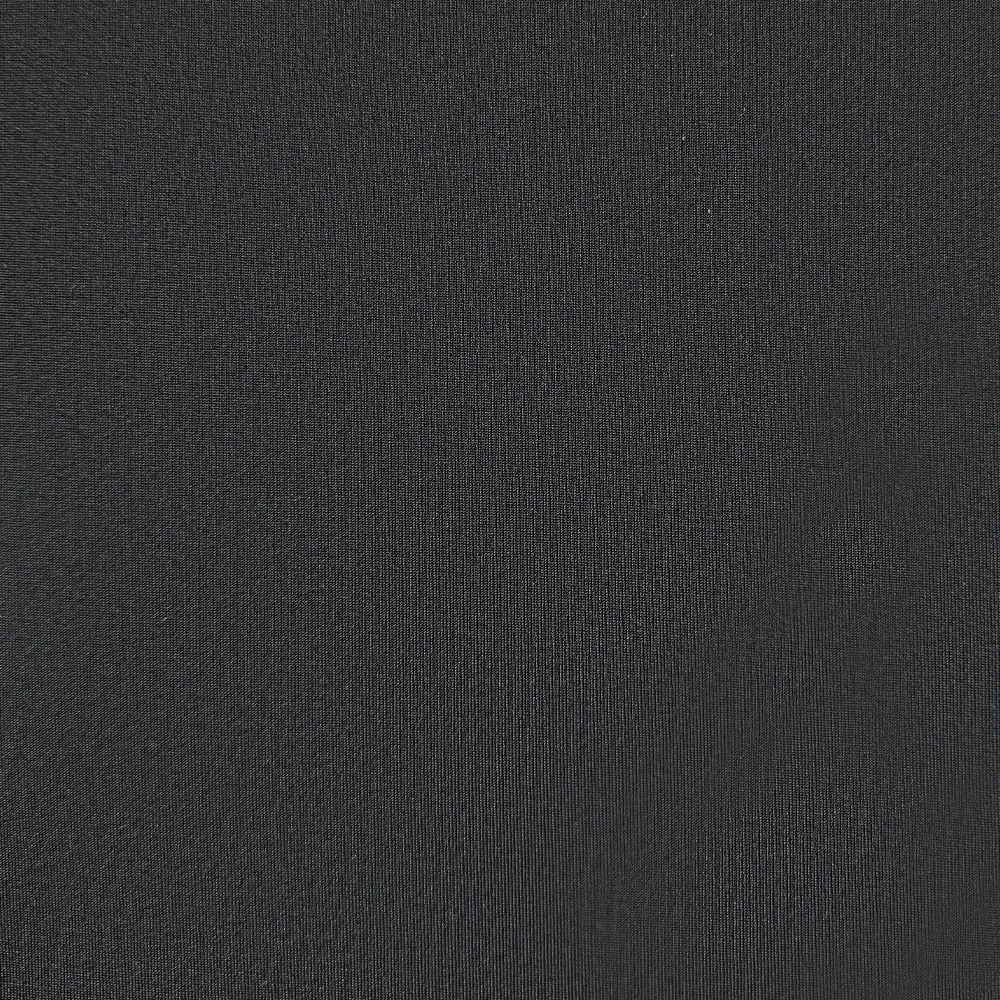
Understanding Cotton Ponte Fabric Cotton ponte fabric is a double knit fabric constructed on a circular or flatbed knitting machine using two sets of needles working in interlock formation. This construction produces a fabric that looks identical on both the face and back, givin...
VIEW MORE
Jersey Fabric
Cotton Polyester Jersey Fabric Suppliers
About
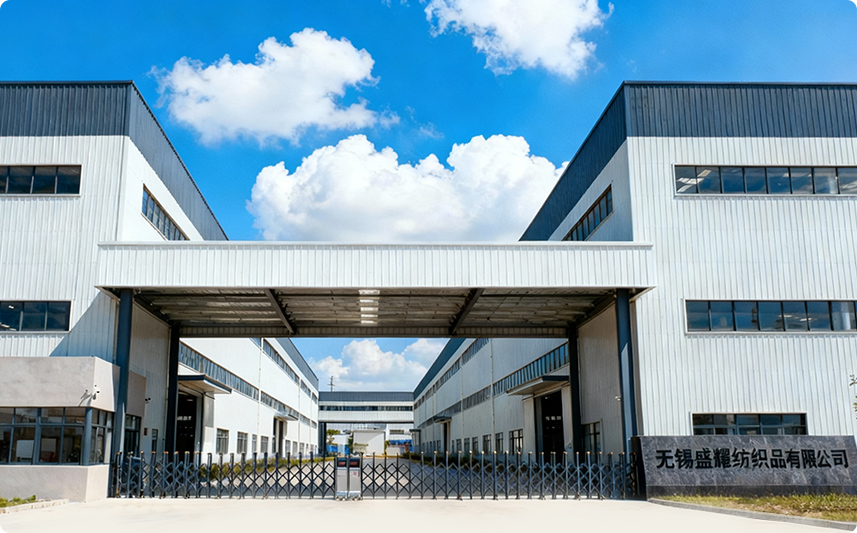
Wuxi Shengyao Textile Co., Ltd.
Wuxi Shengyao Textile Co.,Ltd.
We are dedicated to providing high-quality woven and knitted fabrics for garment and industrial textile customers worldwide. We are China Jersey Knit Fabric Suppliers and Wholesale
Cotton Polyester Jersey Fabric Exporter, Company. Shengyao is more than a trading company; we act as a vital link between tradition and innovation, seamlessly integrating the exquisite craftsmanship of our partner factories with the diverse demands of the global market.Spanning cotton, linen and functional blended fabrics, every product in our portfolio stems from carefully selected partners, rigorous quality management and a lasting commitment to service. Every meter of our fabric embodies Shengyao’s core beliefs: stability, creativity and dedication.
News
-
-
What Is Knitted Fabric? A Direct Answer Knitted fabric is a textile structure formed by the intermeshing of yarn loops in a series of interconnected rows. Unlike woven fabrics, which are made by interlacing two sets of yarns at right angles, knitted fabrics are constructed from ...
VIEW MORE -
The Core Manufacturing Process Woven cotton fabric is manufactured by interlacing two sets of yarns at right angles — the vertical warp yarns and the horizontal weft (filling) yarns — on a loom. Before weaving, the warp yarns undergo critical preparation including warping and s...
VIEW MORE
Jersey Fabric Industry knowledge
What Are the Best Care Practices for Maintaining Jersey Knit Fabric?
Jersey knit fabric is a popular choice in both the fashion and industrial sectors due to its comfort, versatility, and durability. Whether made from cotton, polyester, or a blend of both, understanding the best care practices for maintaining jersey knit fabric is essential for extending the life of garments and products.
Understanding Jersey Knit Fabric
Before diving into the maintenance practices, it's important to understand the composition and unique characteristics of jersey knit fabric.
-
Fabric Type: Jersey knit is a type of knit fabric characterized by its stretch and softness. It's commonly used for casual wear such as t-shirts, dresses, and activewear, as well as for industrial applications requiring flexibility and comfort.
-
Material Variations: Jersey knit fabrics come in various materials such as cotton, polyester, and blended fabrics (e.g., cotton-polyester). Cotton polyester jersey fabric offers a combination of the breathability and softness of cotton with the durability and wrinkle-resistance of polyester.
-
Structure: Unlike woven fabrics, knit fabrics like jersey have interlocking loops of yarn, providing more stretch and flexibility. This structure can make the fabric more susceptible to wear and tear without proper care.
General Care Guidelines for Jersey Knit Fabric
Maintaining the integrity of jersey knit fabric requires specific care practices to prevent stretching, pilling, or fading. Below are some of the essential care guidelines:
a. Washing
- Machine Wash: Always wash jersey knit fabrics in cold or lukewarm water to prevent shrinkage. Use a gentle cycle to minimize friction, which can cause the fabric to stretch or lose its shape.
- Hand Wash: For delicate garments made from high-quality cotton polyester jersey fabric, hand washing may be recommended. This can help preserve the fabric's structure and prevent unnecessary stretching.
- Mild Detergents: Use a mild detergent to protect the fabric's fibers. Harsh chemicals or strong detergents can weaken the fabric over time, affecting its elasticity and softness.
b. Drying
- Air Drying: The best way to preserve the elasticity and shape of jersey knit fabric is to air dry it. Lay the fabric flat or hang it to dry to prevent it from stretching out of shape.
- Avoid Heat: High heat can cause jersey knit fabrics to shrink. Avoid tumble drying at high temperatures, as this can compromise the quality of the fabric and lead to fabric distortion.
c. Ironing
- Low Heat: If ironing is necessary, use the lowest heat setting. High heat can damage the knit structure, causing the fabric to lose its natural elasticity and smoothness.
- Steam: For best results, use a steam iron to remove wrinkles without direct contact. This helps maintain the fabric's softness and prevents the fibers from being crushed.
d. Storing
- Proper Hanging: For garments made from jersey knit fabrics, hanging them in a cool, dry place is crucial. Avoid overcrowding the garments in your closet to prevent stretching or deformation.
- Avoid Direct Sunlight: Prolonged exposure to direct sunlight can cause fading, especially in colored fabrics. Store your garments in a shaded area to preserve their vibrancy.
Special Care for Cotton Polyester Jersey Fabric
Cotton polyester jersey fabric requires a balance between maintaining the soft, breathable quality of cotton and the durable, wrinkle-resistant properties of polyester. Here are some special care tips for this blend:
-
Resistant to Wrinkles: Cotton polyester jersey fabric is naturally more resistant to wrinkles compared to 100% cotton. However, it can still benefit from gentle washing and air drying to preserve its smooth finish.
-
Minimize Abrasion: Polyester blends tend to attract lint and dirt more easily. Regular cleaning and proper care can help prevent the accumulation of lint, which can affect the fabric's appearance.
-
Preserve Softness: The key to maintaining the softness of cotton polyester jersey fabric is to avoid over-drying or exposing it to excessive heat. A gentle wash and air drying will maintain the fabric's pleasant texture.
Handling Pilling
Pilling is a common issue with knit fabrics, including jersey knits. The friction of wearing or washing jersey knit fabric can cause small balls of fiber to form on the surface of the fabric.
-
Prevention: To minimize pilling, turn the garment inside out before washing. This reduces friction on the outer surface, which can prevent the formation of pills.
-
Removing Pills: If pilling does occur, use a fabric shaver or a pill-removal comb to carefully remove the pills without damaging the fabric.
Fabric Comparisons: Cotton vs. Polyester Blends
Below is a table comparing cotton jersey fabric and polyester blends, including cotton-polyester blends like the cotton polyester jersey fabric, to help you understand their differences in terms of care and durability:
| Feature | Cotton Jersey Fabric | Polyester Jersey Fabric | Cotton-Polyester Jersey Fabric |
|---|---|---|---|
| Softness | Very soft and breathable | Less soft but more durable | Soft and breathable with added durability |
| Durability | Prone to shrinkage and wear over time | Highly durable, resistant to wear | Combines the durability of polyester with the softness of cotton |
| Wrinkle Resistance | Prone to wrinkles | Naturally wrinkle-resistant | Wrinkle-resistant and retains shape |
| Care Requirements | Needs gentle washing and air drying | Machine washable, low maintenance | Easy to care for with mild washing and drying |
| Shrinkage Potential | High, especially if exposed to heat | Minimal shrinkage | Minimal shrinkage compared to pure cotton |
| Breathability | Highly breathable and moisture-wicking | Less breathable than cotton | Balanced breathability |
About Shengyao
Wuxi Shengyao Textile Co., Ltd. is committed to delivering high-quality woven and knitted fabrics to garment and industrial textile customers worldwide. Our product portfolio includes a diverse range of materials, spanning cotton, linen, and functional blended fabrics. Every product is crafted with precision, sourced from carefully selected partners, and backed by our rigorous quality management processes, ensuring we meet the highest standards for our global clientele.
Production Capabilities
Through a robust supplier network, we offer a broad range of production capabilities, including:
- Weaving & Knitting – We specialize in cotton, linen, polyester, nylon, blends, and functional fabrics.
- Dyeing & Printing – We provide solid dye, yarn-dye, pigment, reactive, and digital printing solutions to suit various design needs.
- Finishing – Our finishing services include brushing, coating, waterproofing, shrink-resistance, anti-wrinkle, and more.
Our flexible production lines enable us to handle both small-batch custom developments and large-scale bulk orders with exceptional efficiency and precision, ensuring timely deliveries and superior product quality.
Conclusion
Proper care and maintenance are key to preserving the longevity and appearance of jersey knit fabrics, particularly when made from cotton polyester blends. Regular washing with mild detergents, air drying, and careful ironing can help maintain the fabric's softness, elasticity, and structure. By following the right care practices, you can keep your jersey knit fabrics looking fresh and comfortable for longer.
FAQ
1. How can I prevent shrinkage in my jersey knit fabric?
To prevent shrinkage, always wash your jersey knit fabric in cold or lukewarm water and avoid high heat during drying. Air drying is the safest method.
2. Can I machine wash cotton polyester jersey fabric?
Yes, cotton polyester jersey fabric is machine washable. However, use a gentle cycle and mild detergent to protect the fabric from wear.
3. How do I remove pills from my jersey knit garments?
Use a fabric shaver or pill-removal comb to gently remove pills without damaging the fabric.
4. Is cotton polyester jersey fabric better than pure cotton?
Cotton polyester jersey fabric combines the breathability and softness of cotton with the durability and wrinkle-resistance of polyester, making it ideal for both comfort and long-term use.
5. What is the best way to store jersey knit garments?
Store jersey knit garments in a cool, dry place, hanging them to avoid stretching. Avoid exposing them to direct sunlight to prevent fading.
- Product Categories
- Woven Fabric
- Knitted Fabric
- Contact
-
-
Catherine(Sales Executive International Dep)

WhatsApp / Mobile : +86-13093095092
E-mail : [email protected] -
No. 98 Dongsheng Road, Dongsheng Village, Donggang Town, Xishan District, Wuxi City, Jiangsu Province, China

-
Let's Work Together
From cotton and linen to functional blended fabrics, every meter of fabric carries Shengyao's beliefs: stability, creativity, and dedication.