English
  Français
  Español
Understanding Cotton Ponte Fabric Cotton ponte fabric is a double knit fabric constructed on a circular or flatbed knitting machine using two sets of needles working in interlock formation. This construction produces a fabric that looks identical on both the face and back, givin...
VIEW MORE
Woven Dress Fabric Suppliers
Abrasion-resistant and wrinkle-resistant with uniform air permeability, boasting a substantial hand feel and excellent drapability.
-
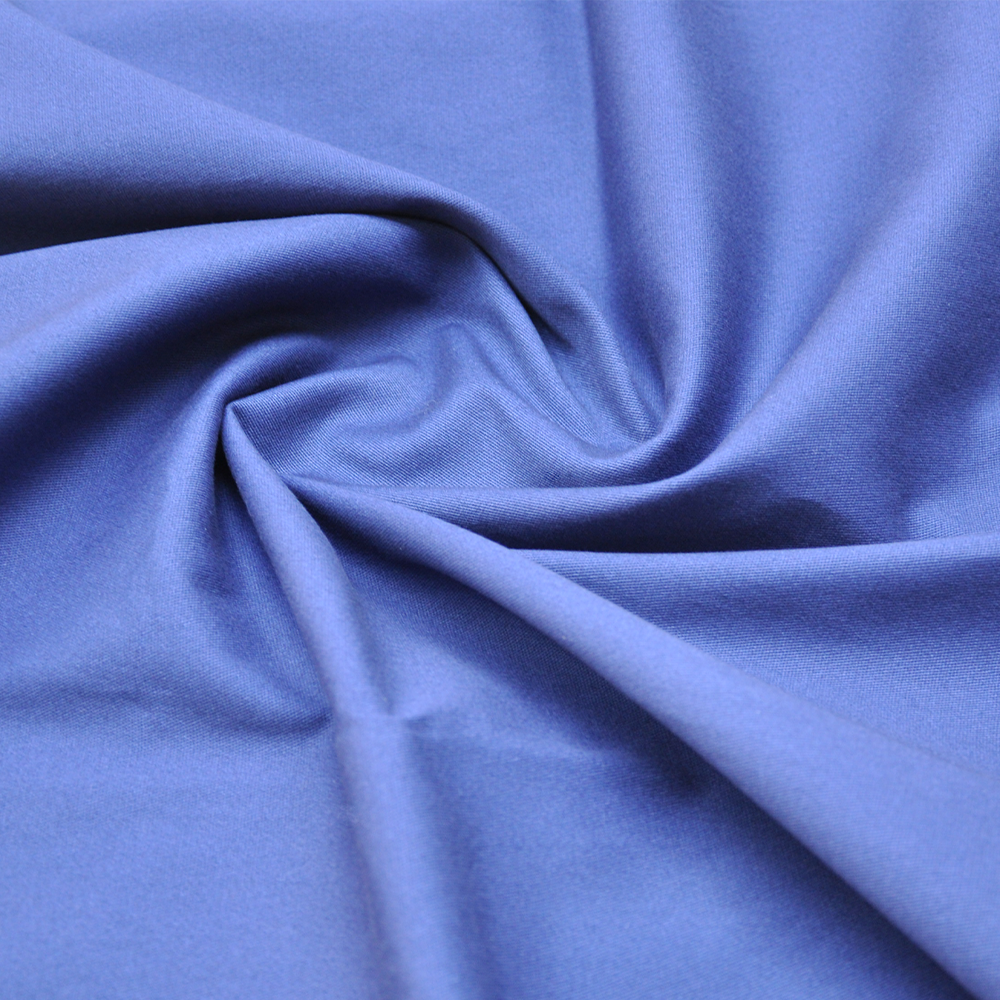 100% Cotton Twill Fabric For Jackets/Shirt/Skirts
-
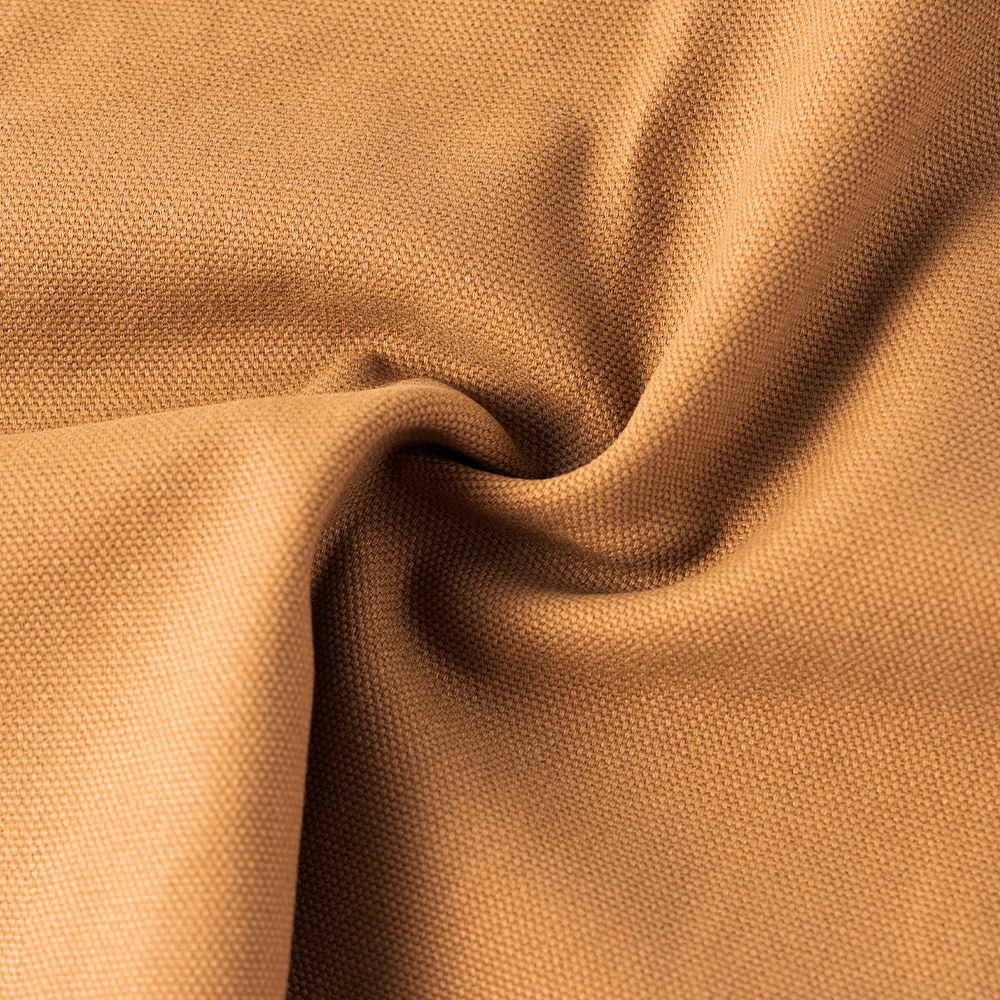 100% Cotton Canvas Fabric For Pants/Jackets
-
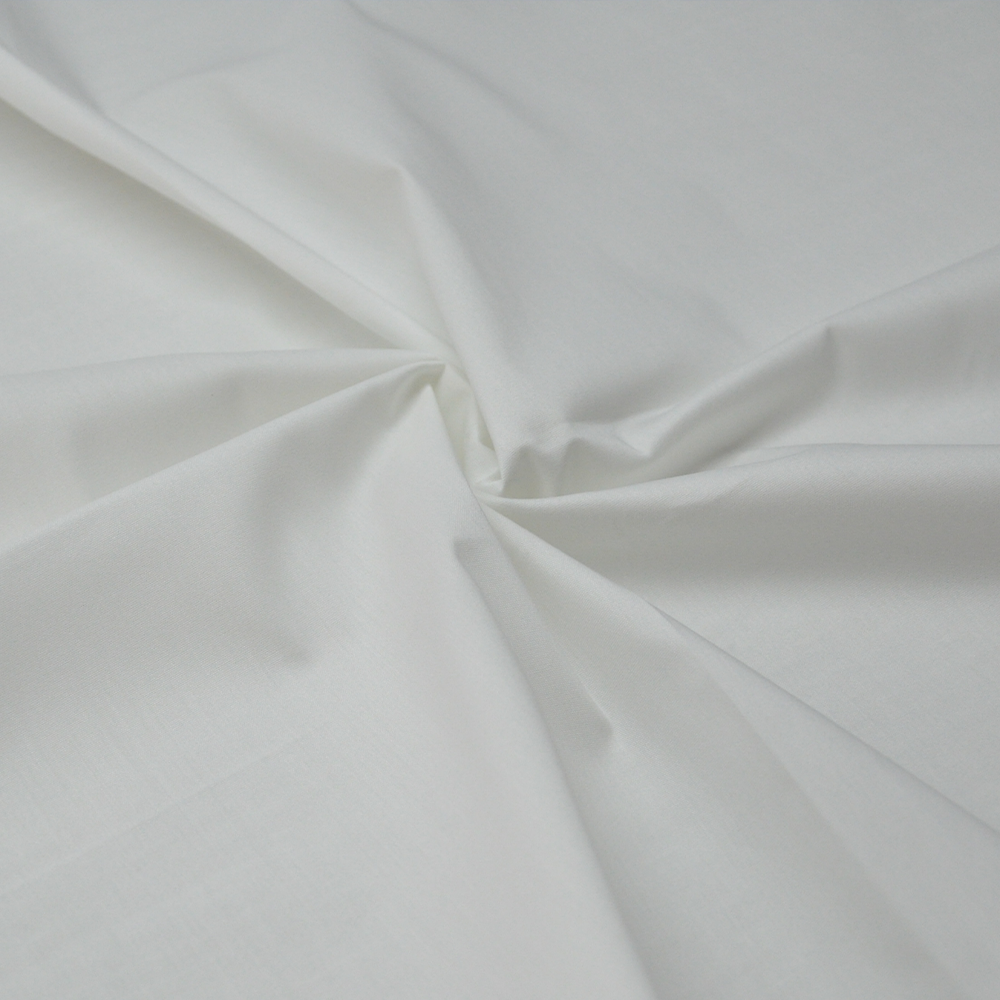 100% Cotton Poplin Fabric For Shirts
-
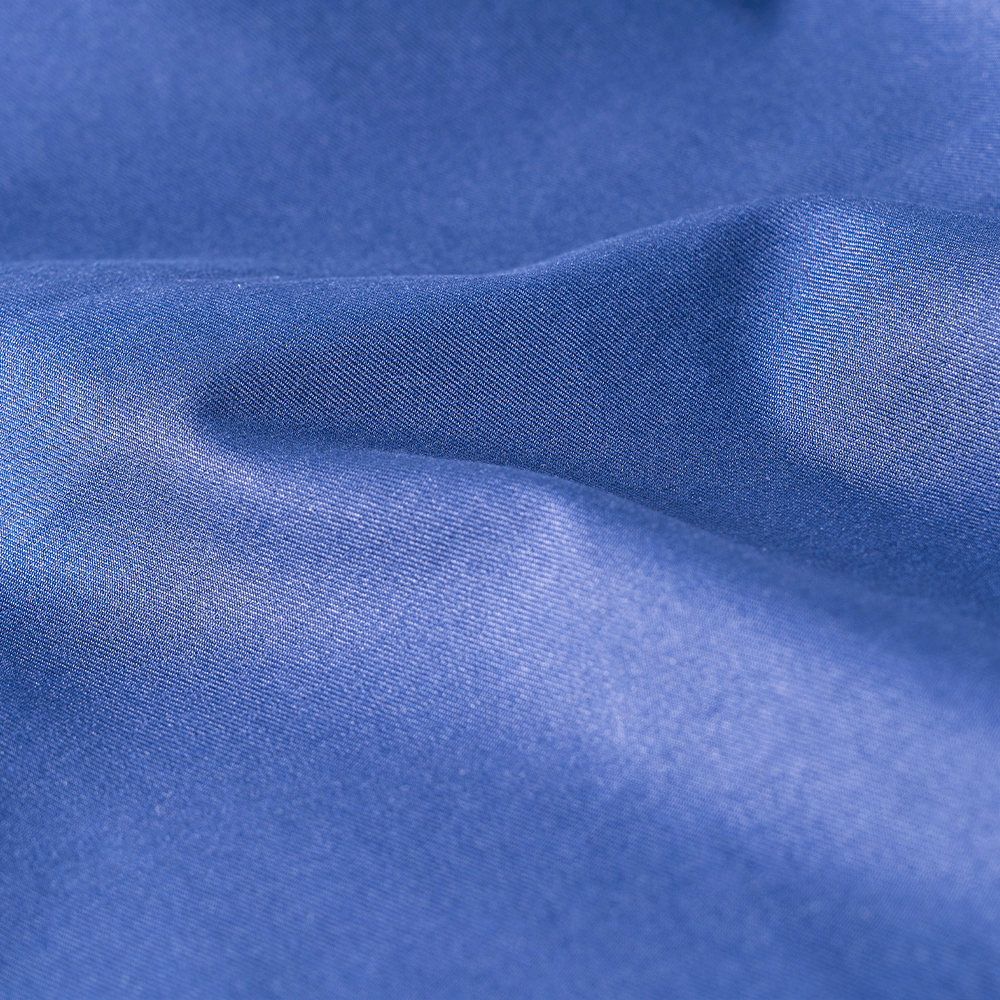 65% Polyester 35% Cotton Twill T/C, CVC Fabric For Pants/Jackets
-
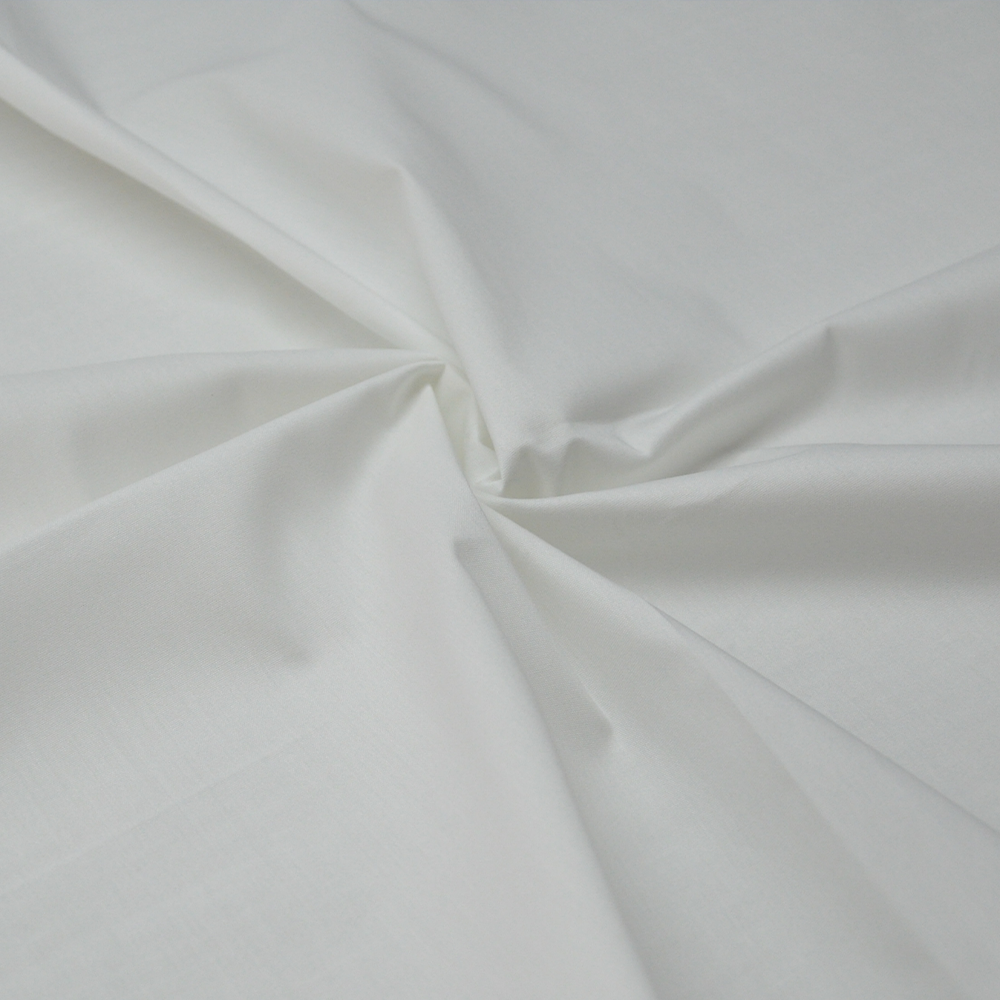 65% Polyester 35% Cotton Poplin T/C, CVC Fabric For Shirts
-
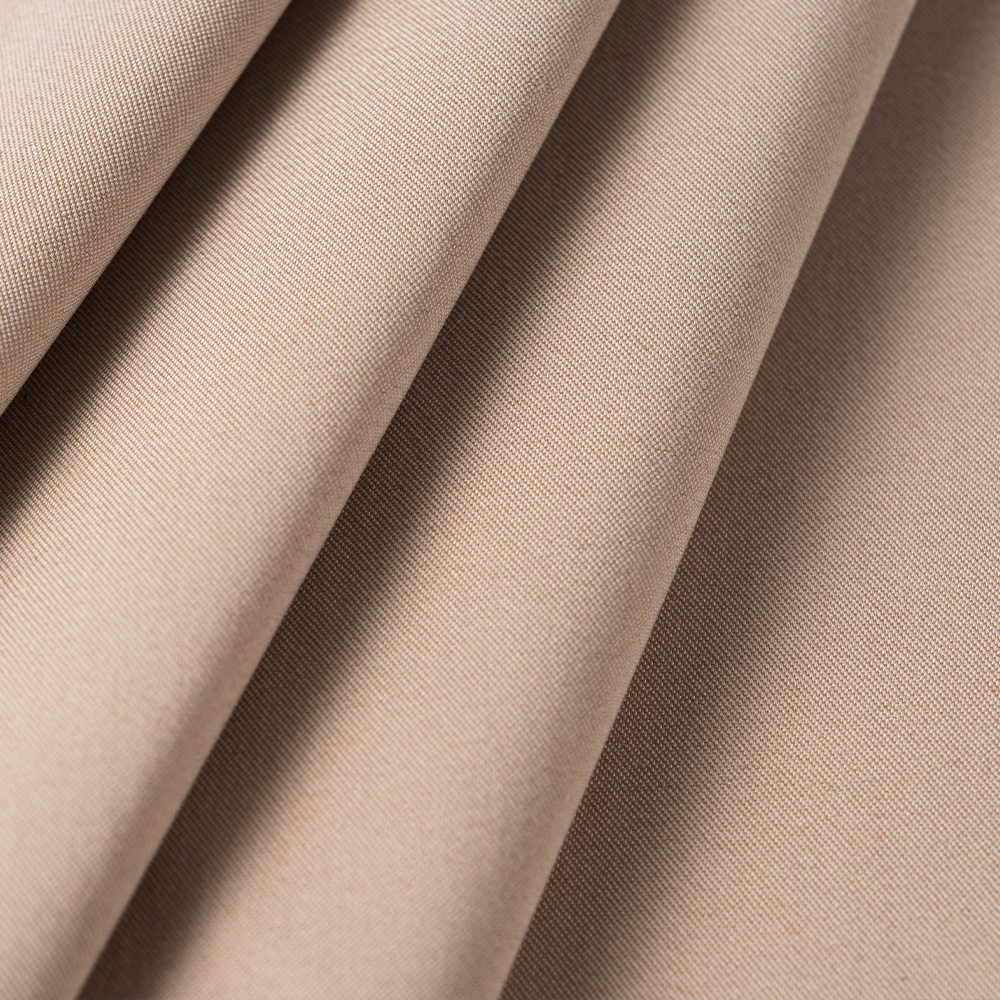 60% Cotton 40% Poly Twill T/C, CVC Fabric For Shirts/Jackets
-
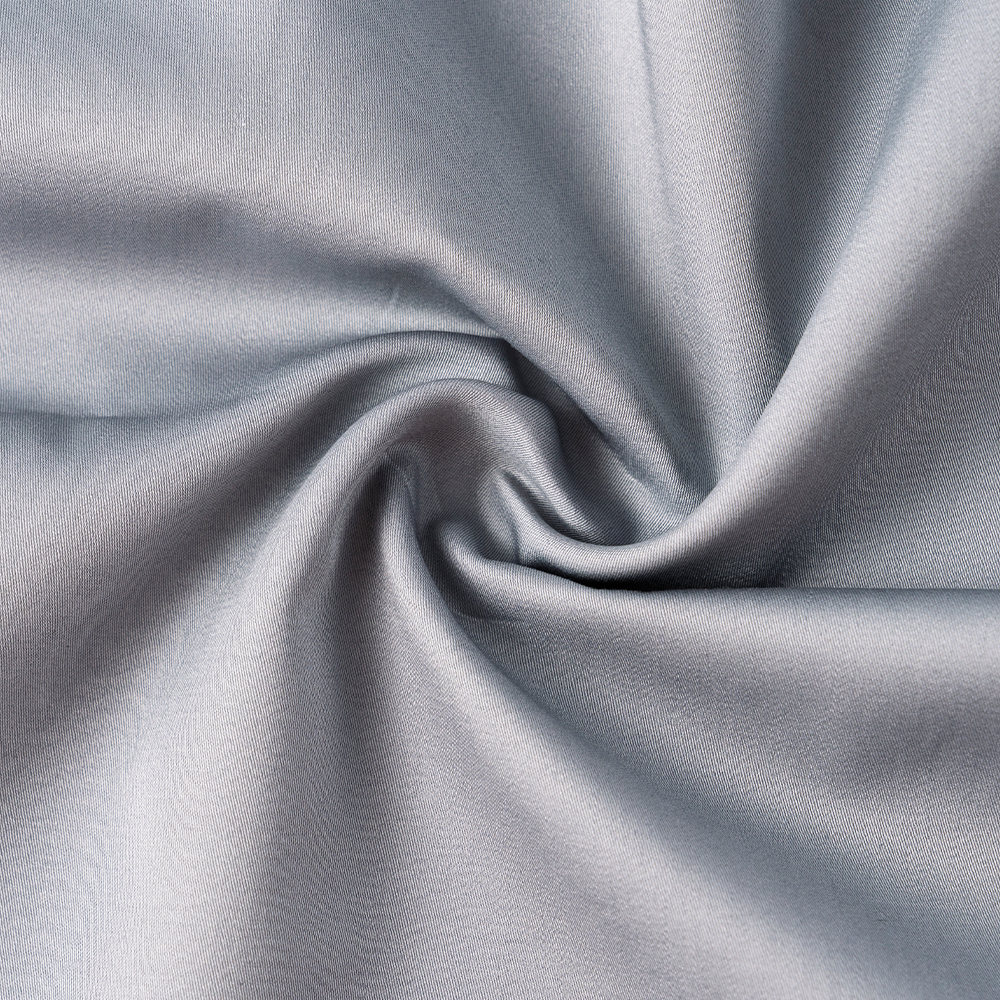 62% Tencel 32% Rayon 6% Nylon Fabric For Pants
-
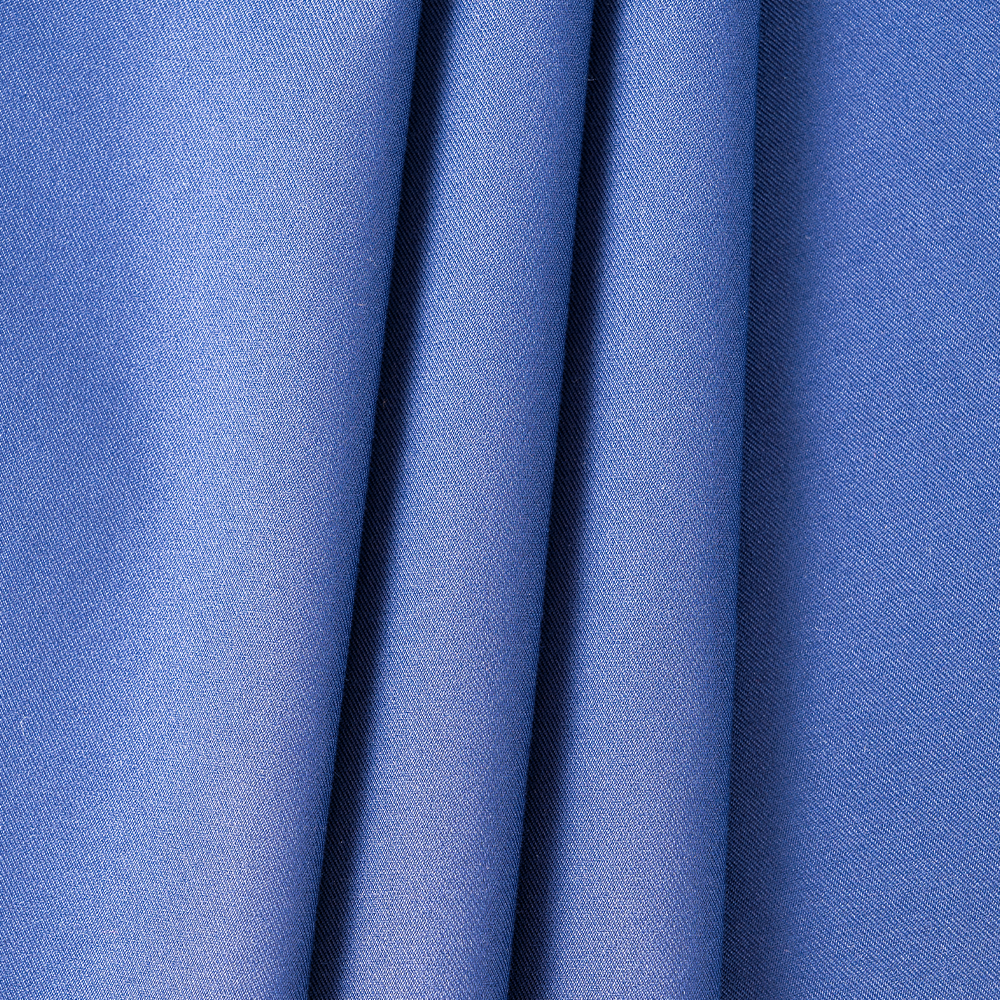 46% Tencel 54% Cotton Tencel Fabric
-
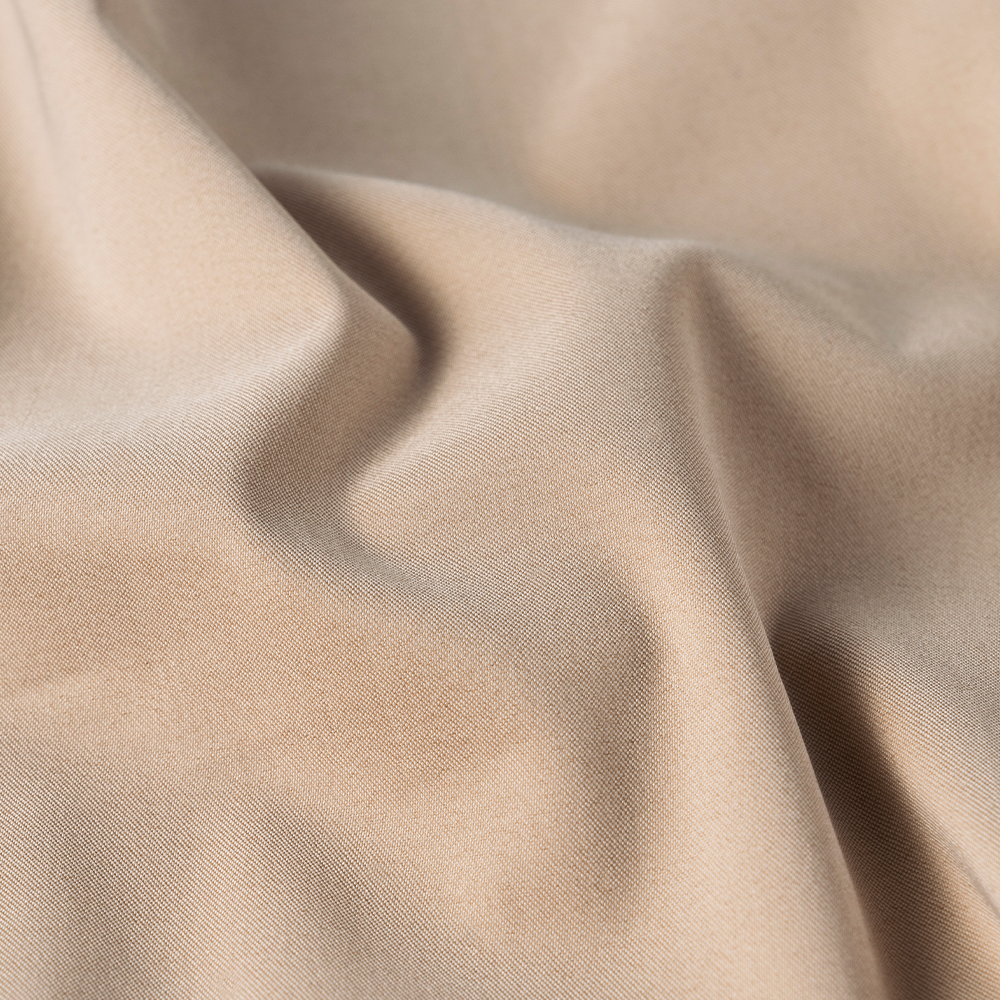 53% Tencel 47% Tencel Fabric For Pants Ten
-
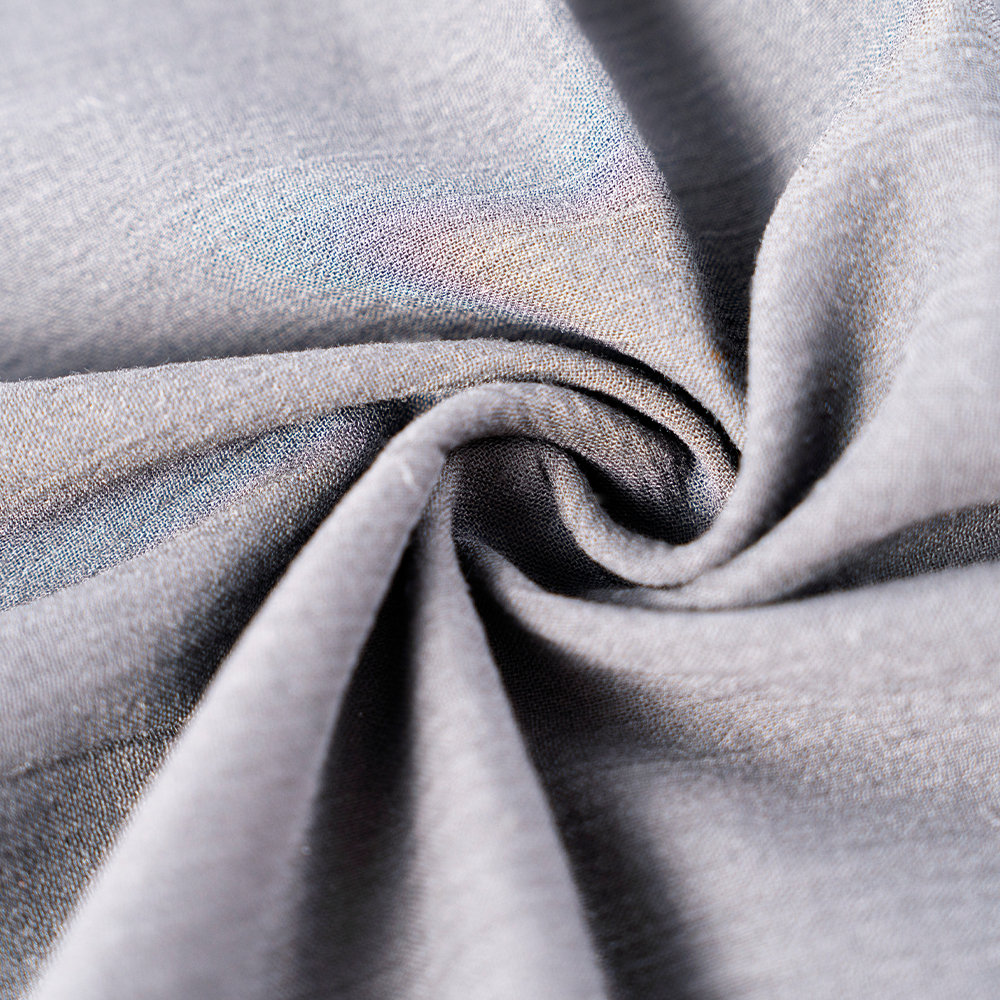 55% Linen 45% Cotton Fabric For Shirts
-
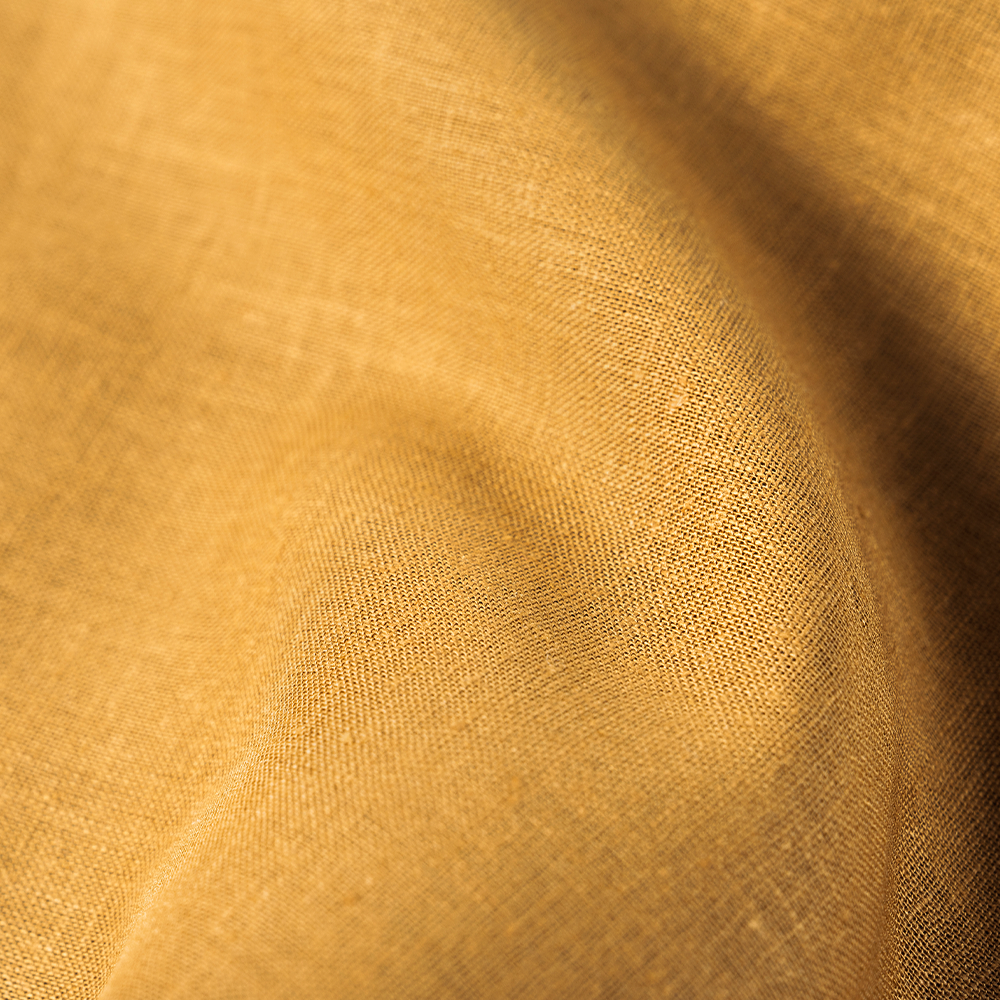 55% Linen 45% Cotton Fabric For Dress
-
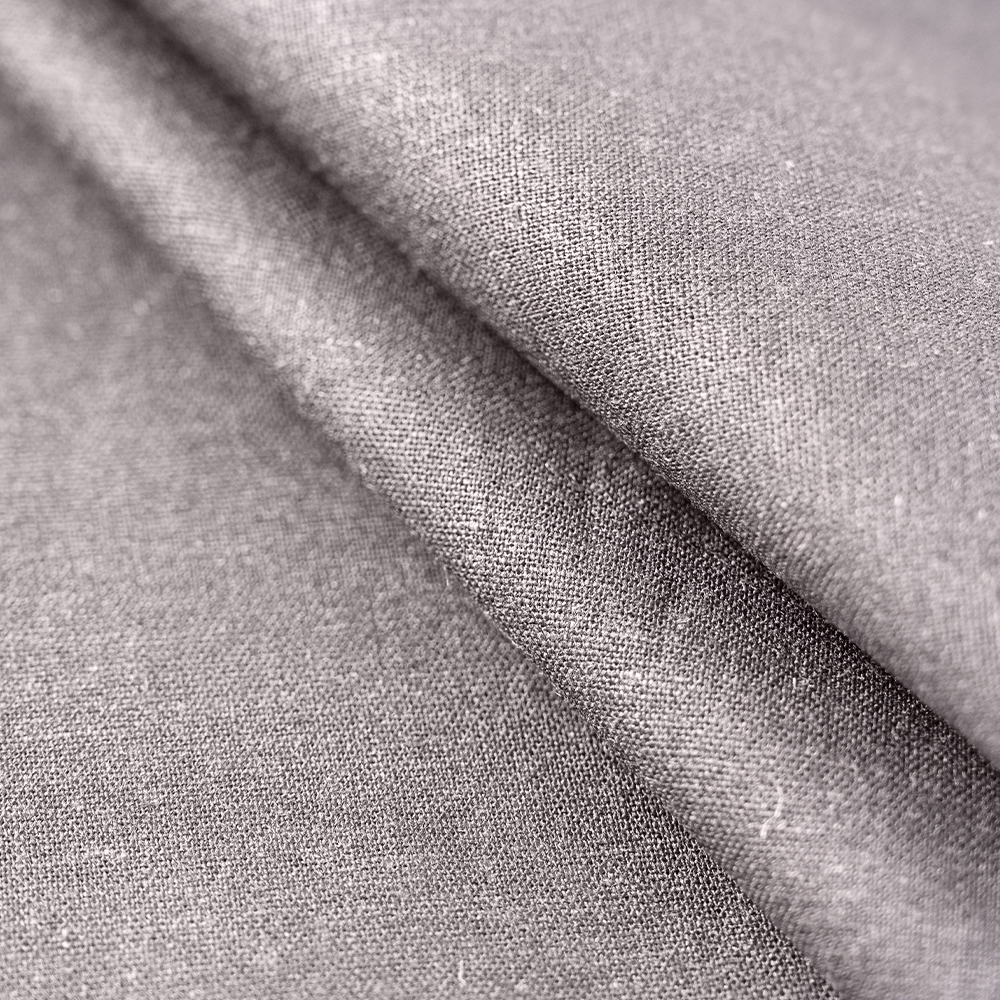 55 Rayon 45% Linen Fabric For Shirts
About
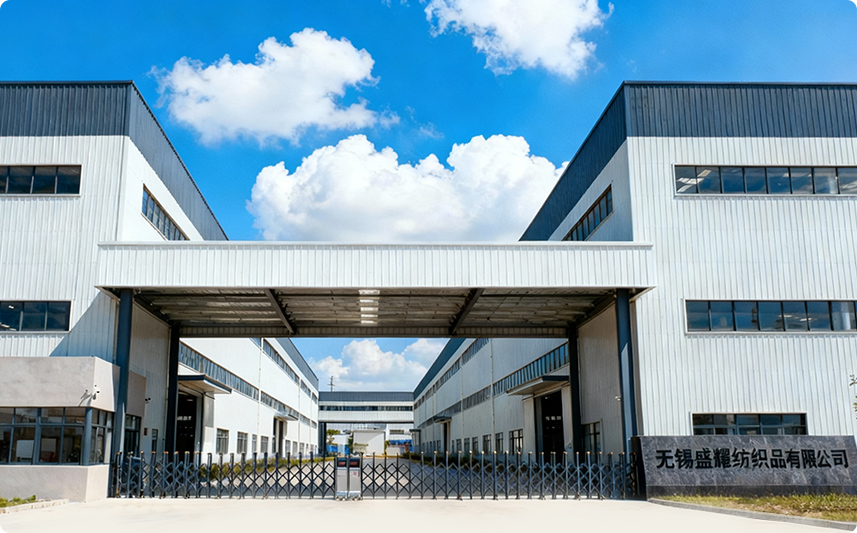
Wuxi Shengyao Textile Co., Ltd.
Wuxi Shengyao Textile Co.,Ltd.
We are dedicated to providing high-quality woven and knitted fabrics for garment and industrial textile customers worldwide. We are China Woven Plaid Fabric Suppliers and Wholesale
Woven Dress Fabric Exporter, Company. Shengyao is more than a trading company; we act as a vital link between tradition and innovation, seamlessly integrating the exquisite craftsmanship of our partner factories with the diverse demands of the global market.Spanning cotton, linen and functional blended fabrics, every product in our portfolio stems from carefully selected partners, rigorous quality management and a lasting commitment to service. Every meter of our fabric embodies Shengyao’s core beliefs: stability, creativity and dedication.
News
-
-
What Is Knitted Fabric? A Direct Answer Knitted fabric is a textile structure formed by the intermeshing of yarn loops in a series of interconnected rows. Unlike woven fabrics, which are made by interlacing two sets of yarns at right angles, knitted fabrics are constructed from ...
VIEW MORE -
The Core Manufacturing Process Woven cotton fabric is manufactured by interlacing two sets of yarns at right angles — the vertical warp yarns and the horizontal weft (filling) yarns — on a loom. Before weaving, the warp yarns undergo critical preparation including warping and s...
VIEW MORE
Woven Fabric Industry knowledge
Technical Differences Between Yarn-Dyed Woven Plaid and Printed Plaid Fabrics
Technical Fundamentals: Color Integration vs. Surface Application
Understanding the distinction between yarn-dyed and printed methods is essential for selecting the right material for specific applications. At Wuxi Shengyao Textile Co., Ltd., we utilize the exquisite craftsmanship of our partner factories to deliver superior plaid solutions that meet global industrial and garment standards.
- Yarn-Dyed Woven Plaid: This process involves dyeing the yarns (warp and weft) before they are woven on the loom. The plaid pattern is created through the structural interlacing of these pre-colored yarns. This results in a fabric where the pattern is identical on both sides and possesses superior color depth.
- Printed Plaid: In this method, the plaid pattern is applied to the surface of a pre-woven "greige" fabric using screen or digital printing techniques. The color sits primarily on the surface, and the back of the fabric usually remains plain or shows a faded version of the pattern.
Technical Parameter Comparison
The following table outlines the key performance metrics for Woven Plaid Fabric as managed by the quality standards of Wuxi Shengyao Textile Co., Ltd.
| Technical Parameter | Yarn-Dyed Woven Plaid | Printed Plaid Fabric |
| Color Fastness | Higher (Dye penetrates yarn core) | Moderate (Surface bonding) |
| Pattern Reversibility | Double-sided (Identical) | Single-sided (Face only) |
| Hand Feel (Texture) | Soft and natural | Can feel slightly stiff due to ink/paste |
| Dimensional Stability | High stability during washing | Depends entirely on the base cloth |
| Design Complexity | Limited by loom capabilities | Virtually unlimited colors and details |
| Minimum Order (MOQ) | Generally higher (due to dyeing/warping) | Lower (especially digital printing) |
FAQ
1. Why does Wuxi Shengyao Textile Co., Ltd. prioritize yarn-dyed techniques for high-end plaid?
Wuxi Shengyao Textile Co., Ltd. believes in "stability and dedication." Yarn-dyed woven plaid offers superior color fastness and a premium aesthetic that surface printing cannot replicate. By integrating the craftsmanship of our partners, we ensure that every meter of fabric maintains pattern integrity even after heavy industrial use or repeated laundering.
2. Does Wuxi Shengyao Textile Co., Ltd. offer functional blends in woven plaid structures?
Yes. Our portfolio spans cotton, linen, and functional blended fabrics. Wuxi Shengyao Textile Co., Ltd. acts as a vital link between traditional weaving and modern innovation, allowing us to provide plaid fabrics that include anti-wrinkle, moisture-wicking, or high-tensile properties tailored to our global customers' diverse demands.
3. How does Wuxi Shengyao Textile Co., Ltd. manage quality for global garment and industrial customers?
Quality management is at the core of our service. Wuxi Shengyao Textile Co., Ltd. performs rigorous checks on color matching, yarn strength, and shrinkage rates. Whether for high-fashion garments or durable industrial textiles, we ensure our products reflect our commitment to creativity and high-quality standards through carefully selected manufacturing partners.
How Weave Structures Influence the Drape of Woven Dress Fabric
The Relationship Between Weave Geometry and Fabric Fluidity
The "drape" of a fabric refers to how it hangs or falls over a form, which is a critical aesthetic factor in garment design. At Wuxi Shengyao Textile Co., Ltd., we understand that the technical interlacing pattern is the primary determinant of this movement. By seamlessly integrating exquisite craftsmanship with technical expertise, we provide fabrics that meet the specific silhouette requirements of global fashion designers.
- Plain Weave: The simplest structure where warp and weft yarns cross alternately (1/1). This high frequency of interlacing points creates a stable, crisper fabric with a stiffer drape, making it ideal for structured dresses.
- Twill Weave: Characterized by diagonal ribs (e.g., 2/1 or 3/1). With fewer interlacing points than plain weave, the yarns have more freedom to move, resulting in a softer drape and better recovery from wrinkling.
- Satin Weave: Features long "floats" where yarns skip over several others. This minimized interlacing creates a highly flexible, lustrous Woven Dress Fabric with the most fluid, "liquid" drape, perfect for evening wear.
Technical Parameter Comparison
The following technical data illustrates how different structures provided by Wuxi Shengyao Textile Co., Ltd. perform in terms of mechanical properties and drape behavior.
| Technical Property | Plain Weave | Twill Weave | Satin Weave |
| Interlacing Density | Highest | Medium | Lowest |
| Drape Coefficient | High (Stiffer) | Moderate | Low (Very Fluid) |
| Surface Friction | High | Medium | Low (Smooth) |
| Wrinkle Resistance | Low | High | Very High |
| Durability/Abrasion | Excellent | High | Moderate (Due to floats) |
FAQ
1. How does Wuxi Shengyao Textile Co., Ltd. help customers select the right weave for their dress designs?
As a vital link between tradition and innovation, Wuxi Shengyao Textile Co., Ltd. provides professional technical consultations. We help garment customers determine if a plain, twill, or satin structure best suits their desired silhouette, ensuring the craftsmanship of our partner factories aligns perfectly with the diverse demands of the global market.
2. Does Wuxi Shengyao Textile Co., Ltd. offer sustainable material options in these weave structures?
Yes. Spanning cotton, linen, and functional blended fabrics, Wuxi Shengyao Textile Co., Ltd. ensures that every product stems from carefully selected partners who prioritize quality and sustainability. We can produce all three major weave structures using eco-friendly fibers without compromising the fabric's stability or creative potential.
3. What quality management steps does Wuxi Shengyao Textile Co., Ltd. take to ensure consistent drape?
Every meter of our fabric embodies our core beliefs of stability and dedication. Wuxi Shengyao Textile Co., Ltd. employs rigorous quality management to monitor yarn tension and weaving consistency. This ensures that the drape characteristics of our fabrics remain uniform from the first meter to the last, satisfying the high standards of industrial textile customers worldwide.
- Product Categories
- Woven Fabric
- Knitted Fabric
- Contact
-
-
Catherine(Sales Executive International Dep)

WhatsApp / Mobile : +86-13093095092
E-mail : [email protected] -
No. 98 Dongsheng Road, Dongsheng Village, Donggang Town, Xishan District, Wuxi City, Jiangsu Province, China

-
Let's Work Together
From cotton and linen to functional blended fabrics, every meter of fabric carries Shengyao's beliefs: stability, creativity, and dedication.