English
  Français
  Español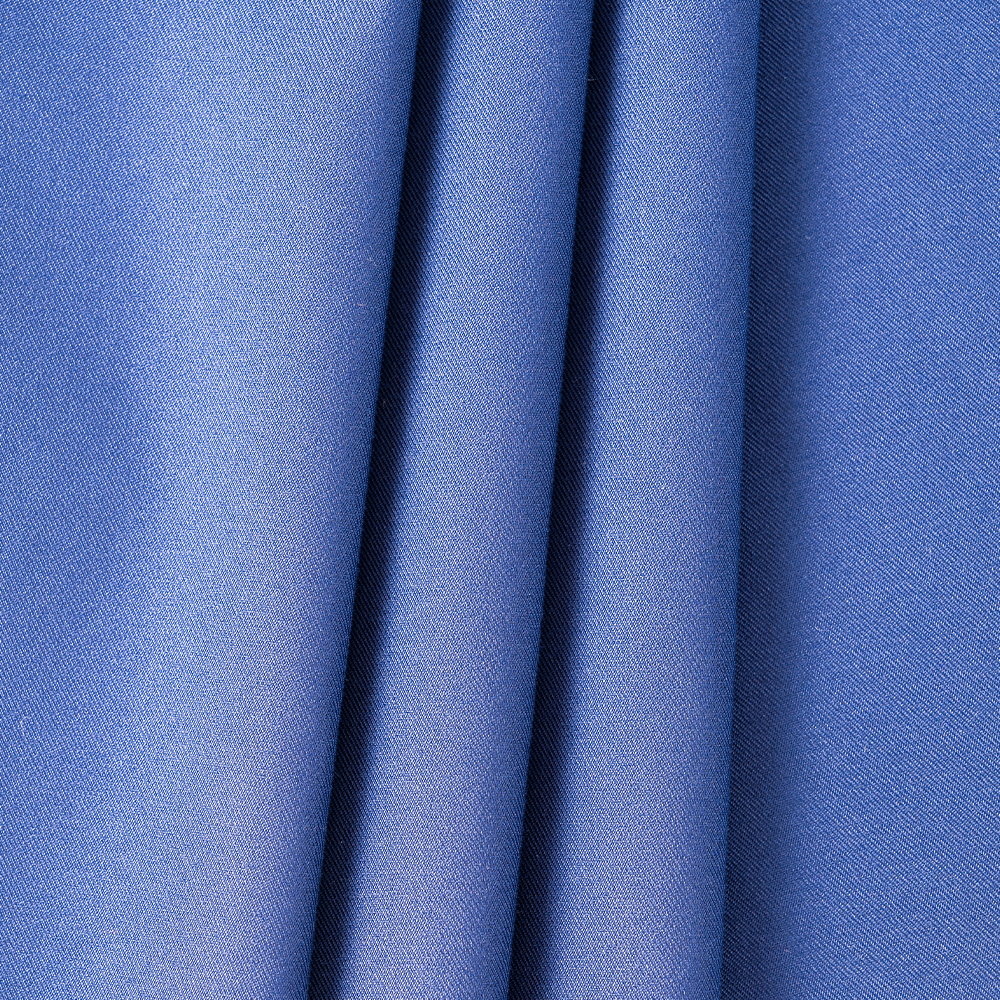
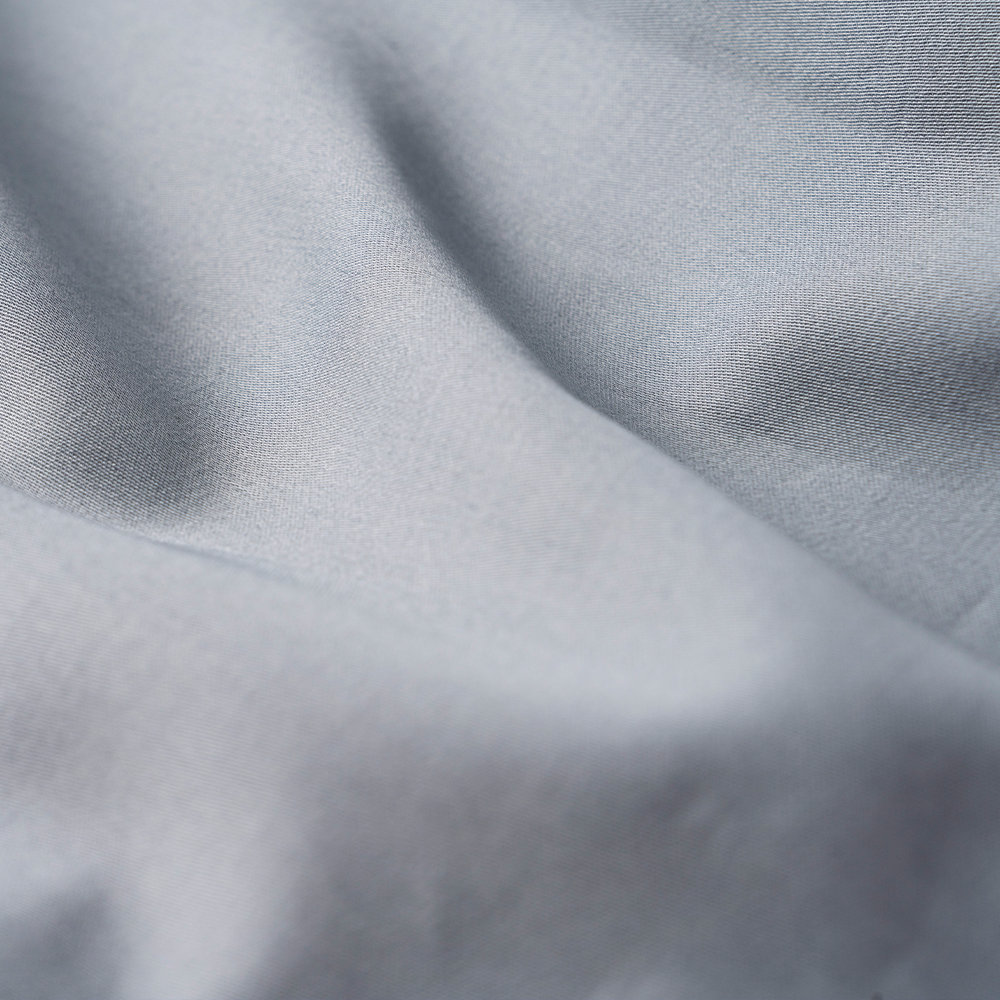
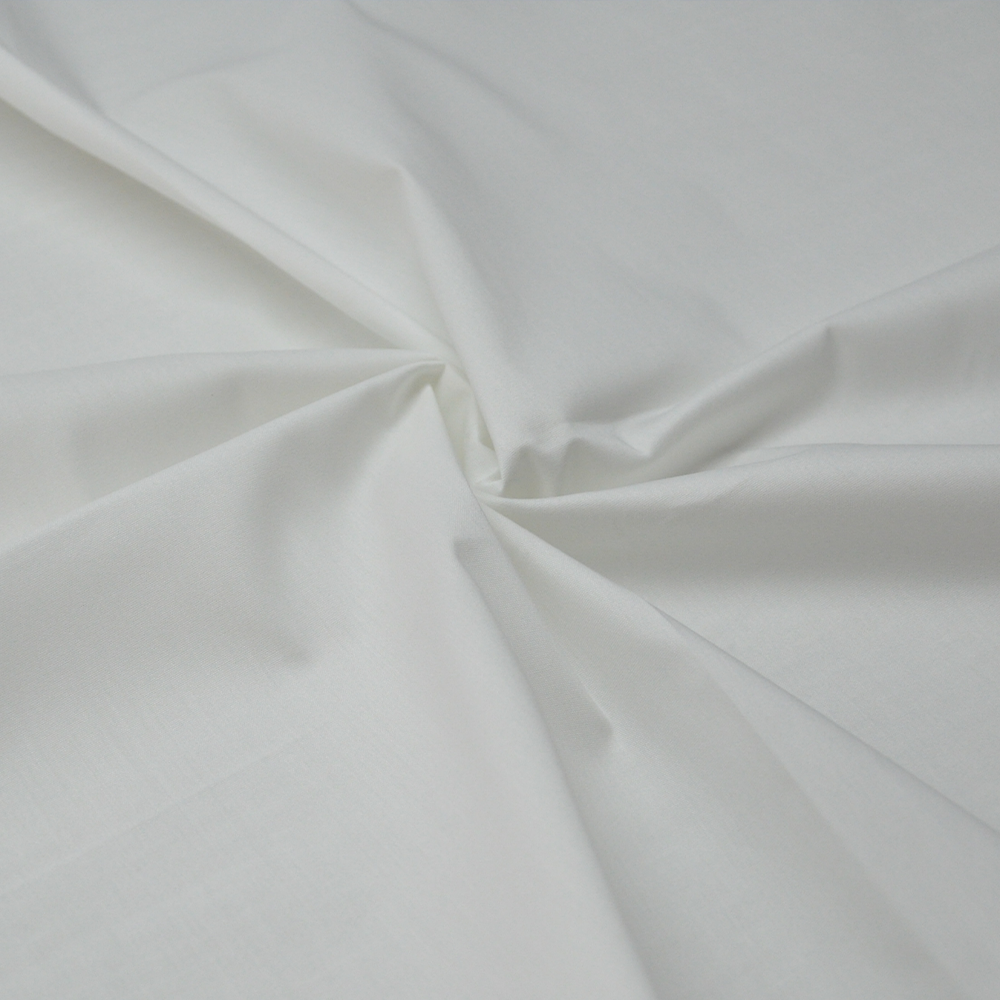
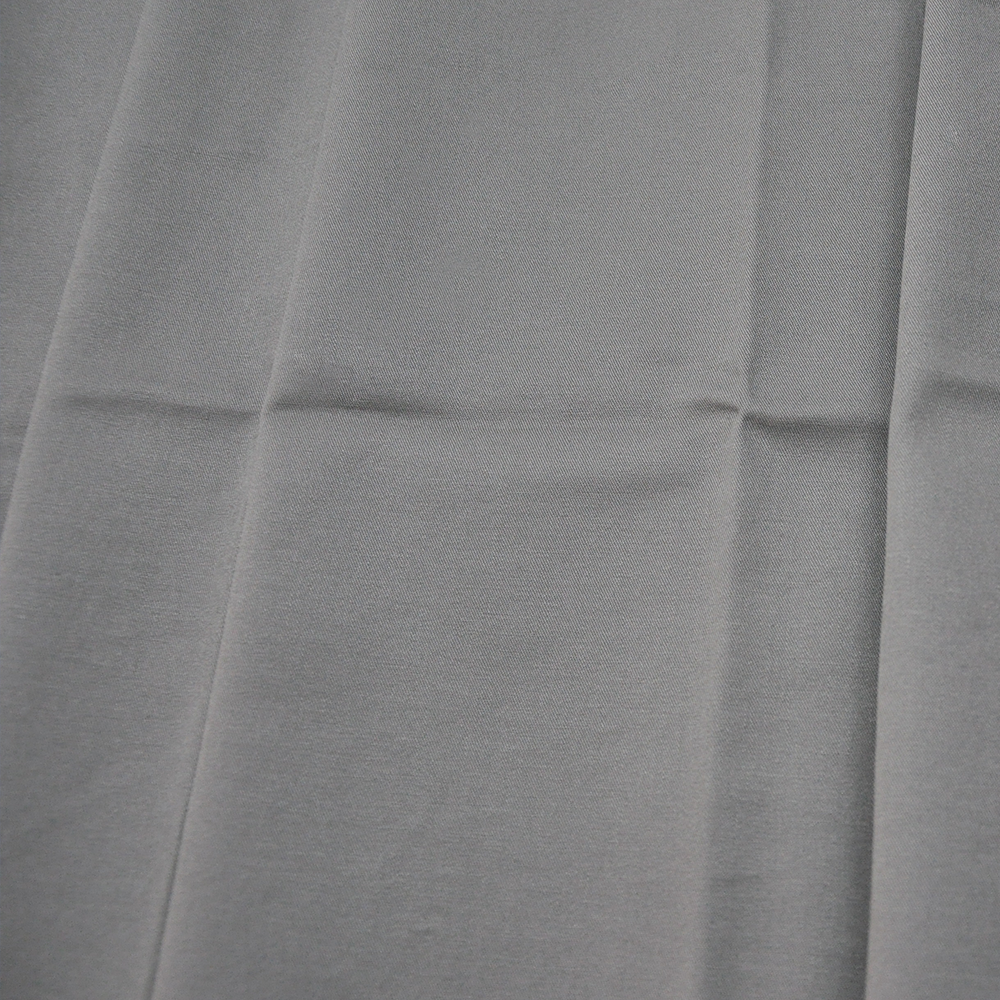
Understanding Cotton Ponte Fabric Cotton ponte fabric is a double knit fabric constructed on a circular or flatbed knitting machine using two sets of needles working in interlock formation. This construction produces a fabric that looks identical on both the face and back, givin...
VIEW MORE
Cotton/Poly/Span Stretch Fabric
About
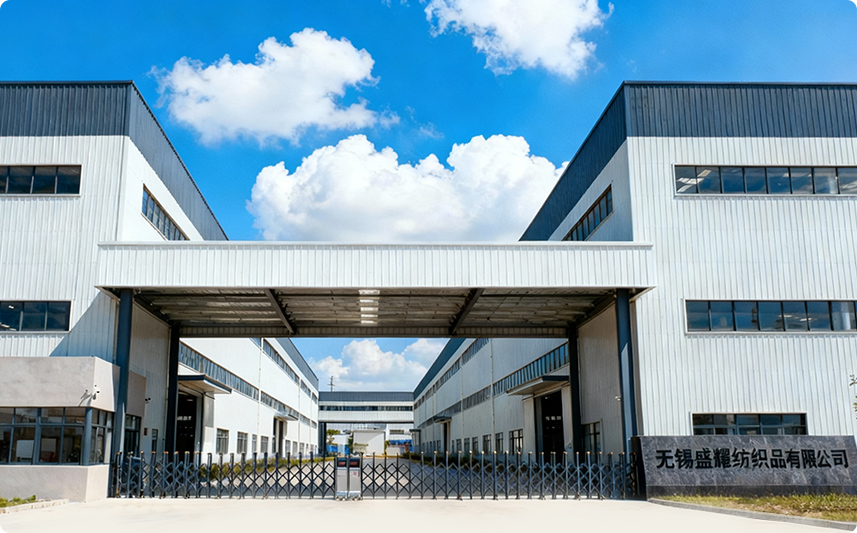
Wuxi Shengyao Textile Co., Ltd.
Wuxi Shengyao Textile Co.,Ltd.
We are dedicated to providing high-quality woven and knitted fabrics for garment and industrial textile customers worldwide. We are China Cotton Polyester Stretch Fabric Suppliers and Wholesale
Cotton Polyester Stretch Fabric Exporter, Company. Shengyao is more than a trading company; we act as a vital link between tradition and innovation, seamlessly integrating the exquisite craftsmanship of our partner factories with the diverse demands of the global market.Spanning cotton, linen and functional blended fabrics, every product in our portfolio stems from carefully selected partners, rigorous quality management and a lasting commitment to service. Every meter of our fabric embodies Shengyao’s core beliefs: stability, creativity and dedication.
News
-
-
What Is Knitted Fabric? A Direct Answer Knitted fabric is a textile structure formed by the intermeshing of yarn loops in a series of interconnected rows. Unlike woven fabrics, which are made by interlacing two sets of yarns at right angles, knitted fabrics are constructed from ...
VIEW MORE -
The Core Manufacturing Process Woven cotton fabric is manufactured by interlacing two sets of yarns at right angles — the vertical warp yarns and the horizontal weft (filling) yarns — on a loom. Before weaving, the warp yarns undergo critical preparation including warping and s...
VIEW MORE
Cotton/Poly/Span Stretch Fabric Industry knowledge
The Three-Fiber Logic: Why Cotton, Polyester, and Spandex Work Together
A cotton-polyester-spandex construction is one of the most deliberately engineered blends in woven fabric production. Each fiber addresses a specific weakness in the others. Cotton contributes natural softness, moisture absorption, and breathability — qualities that make a garment comfortable against skin — but on its own it wrinkles easily, loses shape over repeated wear, and has no elastic recovery. Polyester corrects these gaps: it resists creasing, dries faster, holds dye more consistently under repeated laundering, and adds tensile strength without significant weight. Spandex then resolves what neither cotton nor polyester can provide — true elastic recovery that allows the fabric to return to its original dimensions after stretching across the hip, knee, or shoulder.
The resulting Cotton Blend Stretch Fabric is not a compromise between fibers but a deliberate distribution of roles. Typical ratios fall in the range of 55–65% cotton, 30–40% polyester, and 3–7% spandex, though manufacturers shift these proportions considerably depending on whether the end application prioritizes comfort, durability, or stretch performance. A workwear specification might push polyester to 45% for abrasion resistance, while a fashion trouser might keep cotton above 60% to maintain a natural hand feel and premium surface appearance.
Understanding the mechanical contribution of each fiber at the specification stage prevents the common problem of sourcing a fabric that tests correctly in the lab but underperforms in the garment — either because the ratio was not matched to the actual use case or because one fiber's processing requirements were compromised during finishing.
Polyester's Role Beyond Durability: Dye Behavior and Color Consistency
Polyester's contribution to a stretch blend is often discussed in terms of durability and wrinkle resistance, but its impact on color performance is equally significant and frequently underestimated at the sourcing stage. Polyester fibers require disperse dyes applied under high temperature and pressure — conditions incompatible with the reactive dyes used for cotton. In a blended fabric, this means the dyehouse must either run a two-bath process or accept the color limitations of a single-bath compromise.
Two-bath dyeing produces more accurate, consistent color across both fiber types but increases processing time and water consumption. Single-bath processes using specially formulated dyes reduce cost and environmental load but narrow the achievable color range, particularly for deep saturated shades. Navy, black, and burgundy — among the most commercially demanded colors in bottom-weight fabrics — are the most technically demanding in a cotton-polyester blend, as achieving visual uniformity across two fiber types with different dye affinities requires precise temperature control and dye sequencing.
A further consideration is the grin-through effect: when polyester content is high and the weave structure is open, undyed or differently dyed polyester yarns can become visible at stress points — seams, pockets, and flex zones. Shengyao's partner mills address this through weave density management and dye lot verification, ensuring color depth and uniformity hold across the full fabric width and throughout the production run.
Performance Under Industrial and Commercial Laundering Conditions
One of the clearest advantages of a Polyester Stretch Fabric blend over a pure cotton stretch fabric is its behavior through repeated high-intensity laundering. Pure cotton spandex fabrics can show measurable dimensional change after 20–30 industrial wash cycles, particularly in waistband and hip areas where stretch recovery is most mechanically stressed. The polyester component in a three-fiber blend acts as a dimensional anchor, maintaining warp and weft geometry even as cotton fibers swell and contract through successive wet-dry cycles.
Industrial laundry conditions — tunnel washers operating at 60–85°C with high-alkalinity detergents — stress the spandex component more than domestic machines. Residual shrinkage after five industrial washes is the standard benchmark for workwear and uniform fabrics, with acceptable thresholds typically set below 2% in both warp and weft directions. Fabrics that have not been properly pre-shrunk or heat-set during finishing can fail this threshold significantly, creating fit problems in garments sized to standard patterns.
Colorfastness under alkaline wash conditions (ISO 105-C06) and resistance to rubbing (ISO 105-X12) are the two most commercially relevant test parameters for this application. Buyers specifying fabric for uniforms or corporate workwear should request test reports at Grade 4 or above on both scales — a standard that well-produced cotton-polyester-spandex blends reliably achieve when sourced from mills with consistent quality management.
Matching Construction and Weight to Application: A Practical Reference
Cotton-polyester-spandex blends span a wide GSM range, and the right weight is as important as the fiber ratio for achieving the intended garment performance. Below is a practical reference for the most common application categories:
| GSM Range | Typical Weave | Primary Applications | Key Performance Priority |
|---|---|---|---|
| 130–160 | Plain, fine twill | Shirting, lightweight trousers | Breathability, drape |
| 180–230 | Twill, sateen | Chinos, fitted pants, skirts | Shape retention, comfort stretch |
| 240–280 | Heavy twill, canvas-style | Workwear, uniforms, outerwear | Abrasion resistance, wash durability |
| 290+ | Bull denim, thick twill | Heavy-duty workwear, cargo pants | Structural integrity, longevity |
Stretch direction is an equally important variable. Two-way stretch — spandex running in the weft direction only — is standard for most trouser and skirt applications and is simpler to cut and sew consistently. Four-way stretch constructions, where spandex runs in both warp and weft, are used where freedom of movement across all body planes is required, as in performance workwear, equestrian breeches, or close-fitting fashion styles with minimal ease. Garment pattern grading and seam allowances must be adjusted differently for two-way versus four-way constructions, which is why fabric stretch direction should be confirmed before patterns are finalized rather than at the cutting stage. Shengyao provides clear stretch direction documentation with all woven stretch fabric orders, reducing the risk of miscommunication between fabric supplier and garment manufacturer.
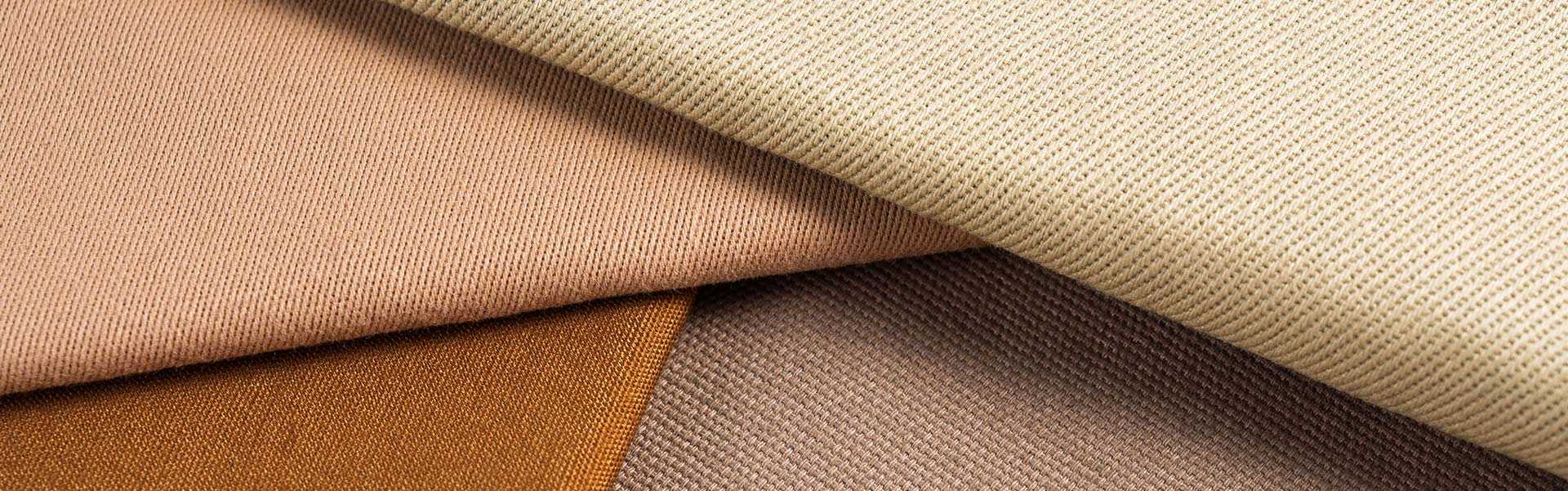
- Product Categories
- Woven Fabric
- Knitted Fabric
- Contact
-
-
Catherine(Sales Executive International Dep)

WhatsApp / Mobile : +86-13093095092
E-mail : [email protected] -
No. 98 Dongsheng Road, Dongsheng Village, Donggang Town, Xishan District, Wuxi City, Jiangsu Province, China

-
Let's Work Together
From cotton and linen to functional blended fabrics, every meter of fabric carries Shengyao's beliefs: stability, creativity, and dedication.