English
  Français
  Español
Content
Sourcing pure cotton fabric at scale means balancing softness, moisture handling, and mill-level consistency across every roll, since a mismatch in any one of these shows up immediately in apparel returns or bedding complaints.
What Is Pure Cotton Fabric?
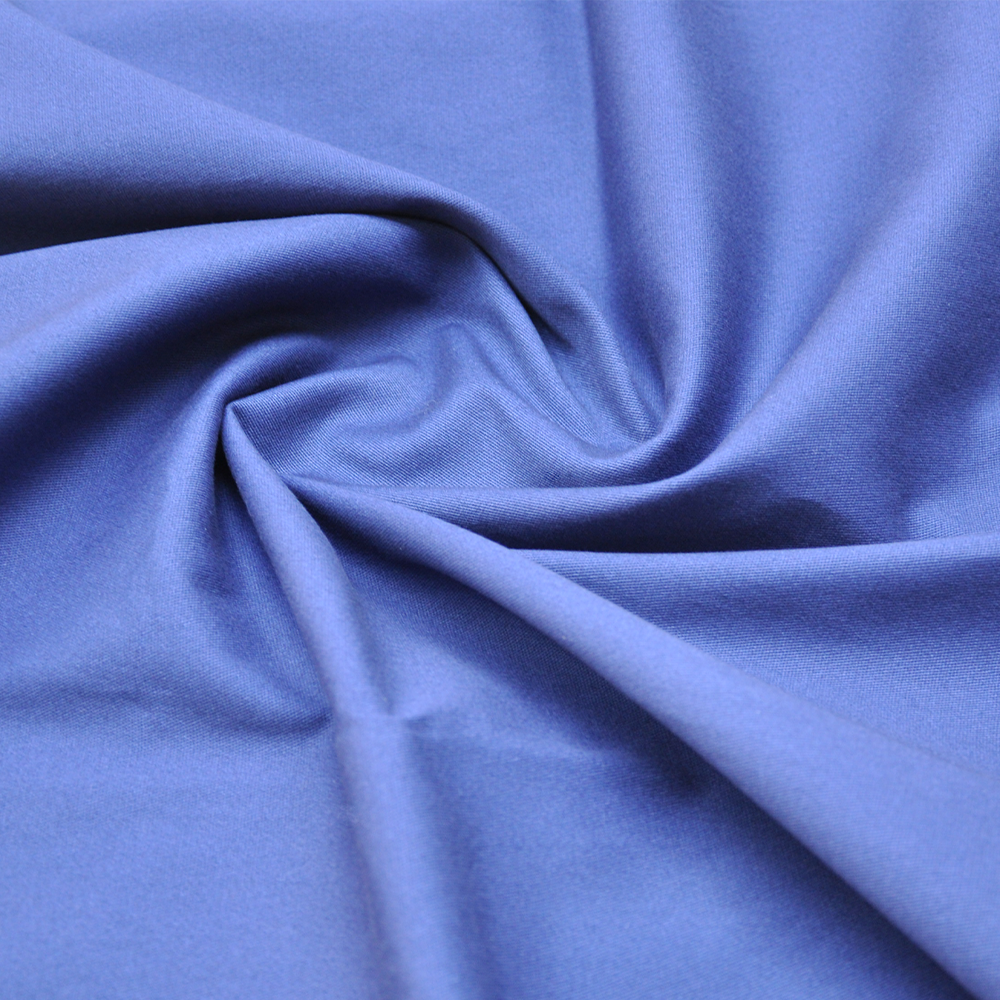
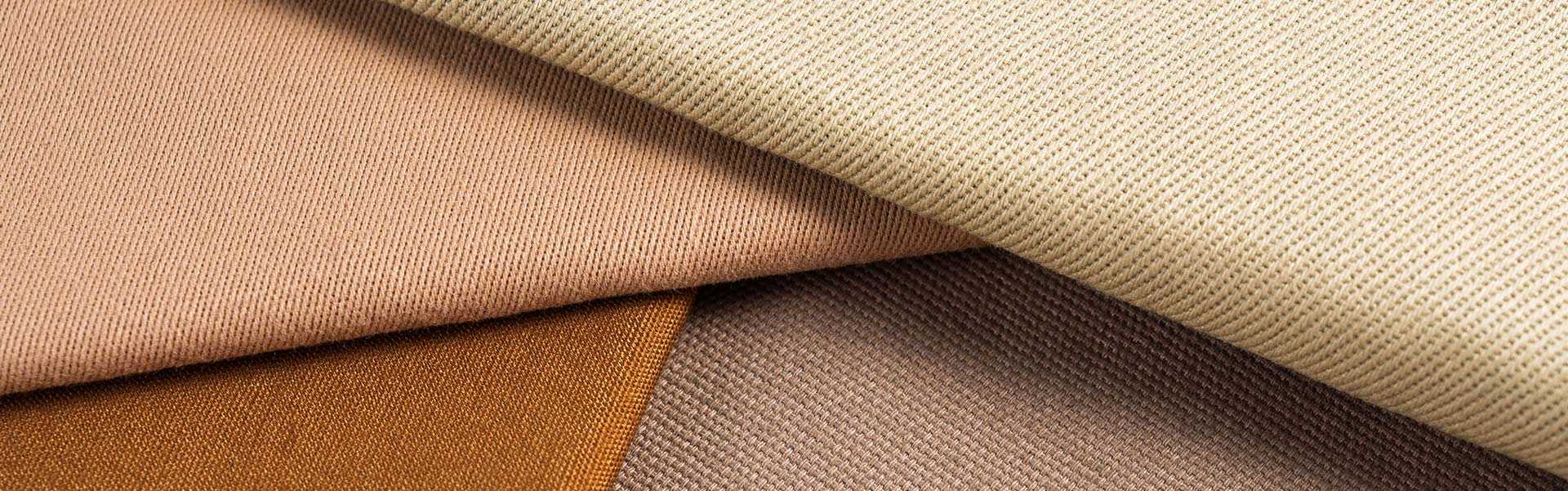
Pure cotton fabric is a textile woven or knitted entirely from natural cotton fibers, with no synthetic fiber blended into the yarn. Because the fiber content is unmixed, the material keeps cotton's full moisture-absorption and breathability profile, a property synthetic blends typically dilute. Common structures include woven poplin, twill, and canvas, plus knitted jersey, each suited to a different end use, from dress shirts to heavyweight workwear.
Why Manufacturers Choose Pure Cotton Fabric
Manufacturers select pure cotton fabric because it outperforms synthetic alternatives on the comfort metrics that most directly affect product returns and brand reputation.
Beyond moisture handling, cotton fiber accepts dye more evenly than most synthetic fibers, giving finished fabric consistent color depth across large production runs. Its natural structure also tolerates repeated washing without the pilling that is common on polyester-cotton blends.
Pure Cotton Fabric vs Synthetic Fabric
The right material choice depends on whether a project prioritizes comfort or mechanical performance.
| Factor | Pure Cotton Fabric | Synthetic Fabric |
| Comfort | Excellent breathability and moisture absorption | Often feels warmer and less breathable |
| Durability | Good with proper finishing and care | Higher abrasion resistance |
| Cost | Higher due to natural fiber sourcing | Generally lower production cost |
| Best Fit | Apparel, bedding, healthcare, home textiles | Sportswear, technical and industrial fabrics |
Where Pure Cotton Fabric Performs Best
Four industries account for most commercial demand for pure cotton fabric.
- Apparel manufacturing. Shirts, casual wear, and uniform fabrics rely on cotton's breathability for all-day wear.
- Home textiles. Bed sheets, towels, and pillow covers depend on cotton's softness and absorption.
- Medical and healthcare textiles. Hospital bedding and protective garments require skin-safe, breathable material.
- Baby and children's products. Nursery textiles and infant clothing prioritize hypoallergenic, gentle fabric.
How Pure Cotton Fabric Is Made
Fabric quality is set long before the loom, starting with how the raw fiber is cleaned and spun.
- Cotton fiber selection and grading
- Cleaning and carding to remove impurities
- Spinning fiber into yarn
- Weaving or knitting yarn into fabric
- Dyeing and color-fastness treatment
- Finishing, cutting, and final inspection
How to Choose a Pure Cotton Fabric Supplier
A dependable pure cotton fabric supplier should provide GSM and thread-count documentation, shrinkage test results, and color-fastness data before a bulk order ships. Mills that cannot produce these figures on request are the most common source of downstream product complaints.
Beyond documentation, evaluate a mill's production capacity, weaving and knitting equipment range, and whether it supports OEM customization for weight, width, and finish.
Frequently Asked Questions
What GSM range should I use for pure cotton fabric?
Lightweight shirting typically runs 100 to 150 GSM, mid-weight apparel and bedding sit around 150 to 220 GSM, and heavyweight canvas or workwear commonly exceeds 300 GSM.
Does pure cotton fabric shrink after washing?
Untreated cotton can shrink 3 to 5 percent on first wash. Pre-shrunk or sanforized finishing reduces this to under 1 percent, so it is worth confirming which process a supplier uses.
Is pure cotton fabric suitable for medical textiles?
Yes. Its breathability and hypoallergenic nature make pure cotton fabric a standard choice for hospital bedding and protective garments where skin contact and comfort are priorities.
How is pure cotton fabric different from cotton-blend fabric?
Pure cotton fabric contains no synthetic fiber, preserving full breathability and moisture absorption. Cotton-blend fabric mixes in polyester or other fibers to improve wrinkle resistance and durability, at the cost of some natural comfort.